Introduction
In the world of advertising and visual communication, flex banners are one of the most widely used mediums. Whether it’s a small shop promotion, a roadside billboard, or a glowing sign outside a showroom, flex materials play a vital role in making brands visible.
Two of the most common types of flex materials are front lit flex and backlit flex. Both serve the same purpose—promoting a product or service—but they are designed differently, perform uniquely, and deliver varying visual impacts depending on how they are used.
This guide explains everything about front lit flex and backlit flex, their differences, their applications, and how businesses can decide which one suits their needs best. By the end of this article, you’ll have a clear understanding of:
- What front lit flex is
- What backlit flex is
- The differences between the two
- Use cases, benefits, and limitations
- How to choose between them
Let’s begin with front lit flex.
What is Front lit Flex?
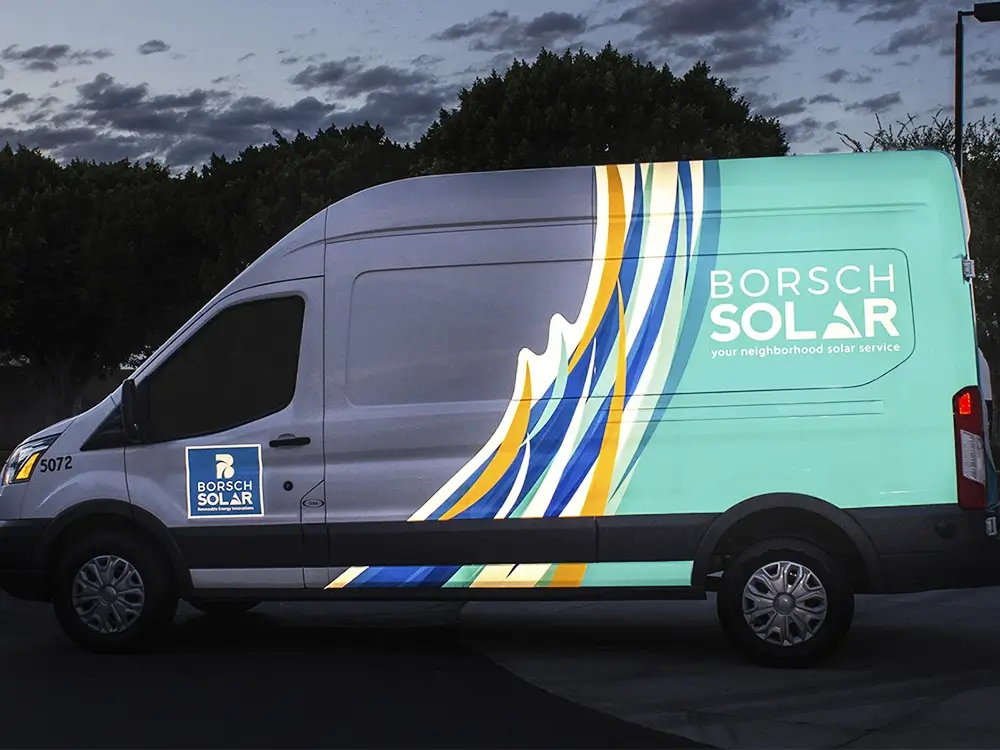
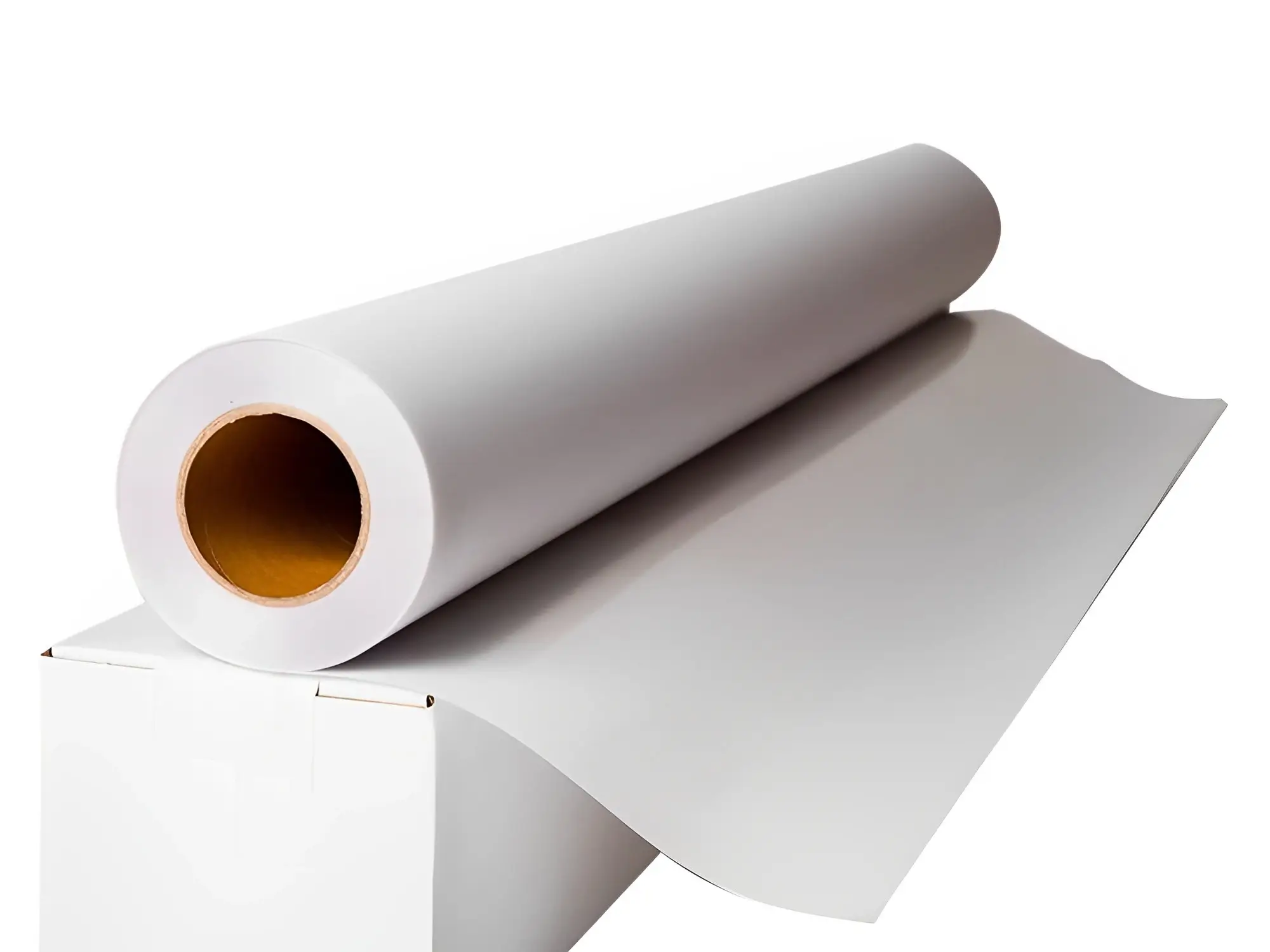
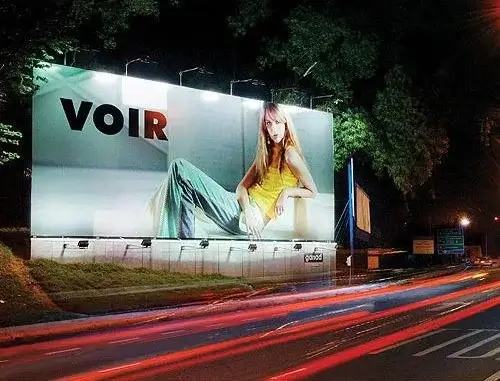
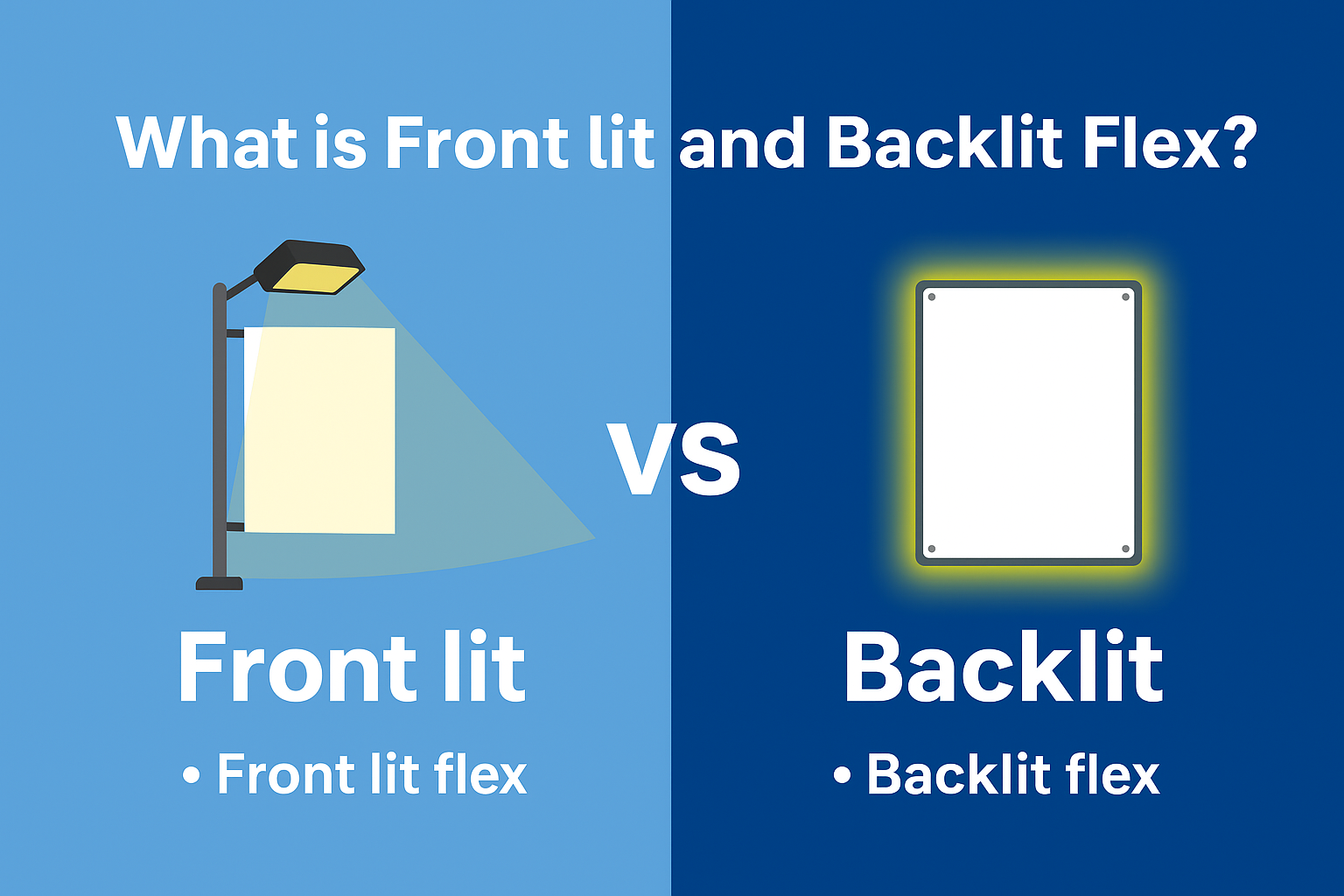
A front lit flex banner is a widely used advertising medium where external light sources, such as spotlights, floodlights, or LED lamps, illuminate the banner from the front. This type of flex does not produce light itself but instead depends on lighting placed in front of it.
Key features of front lit flex:
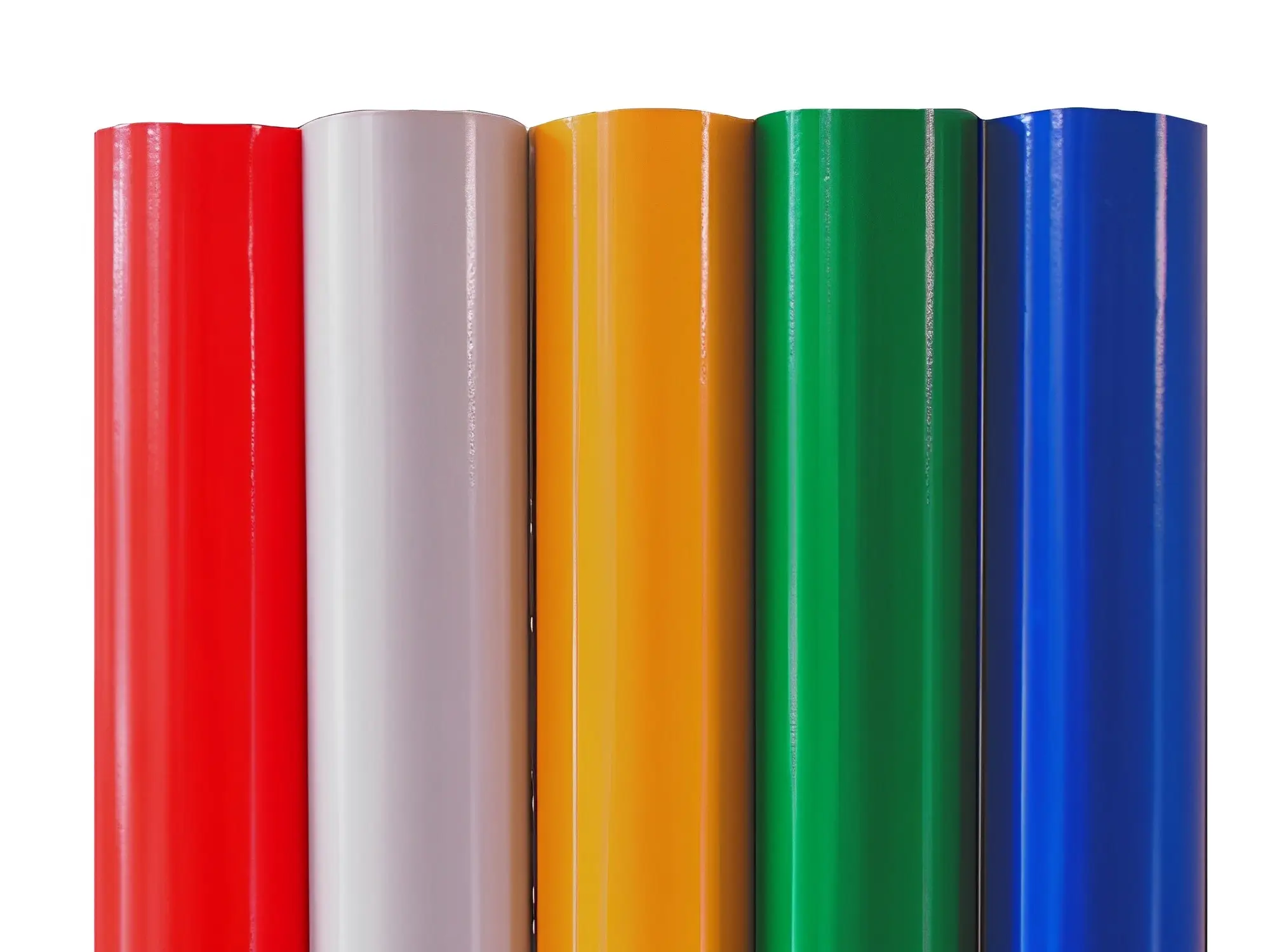
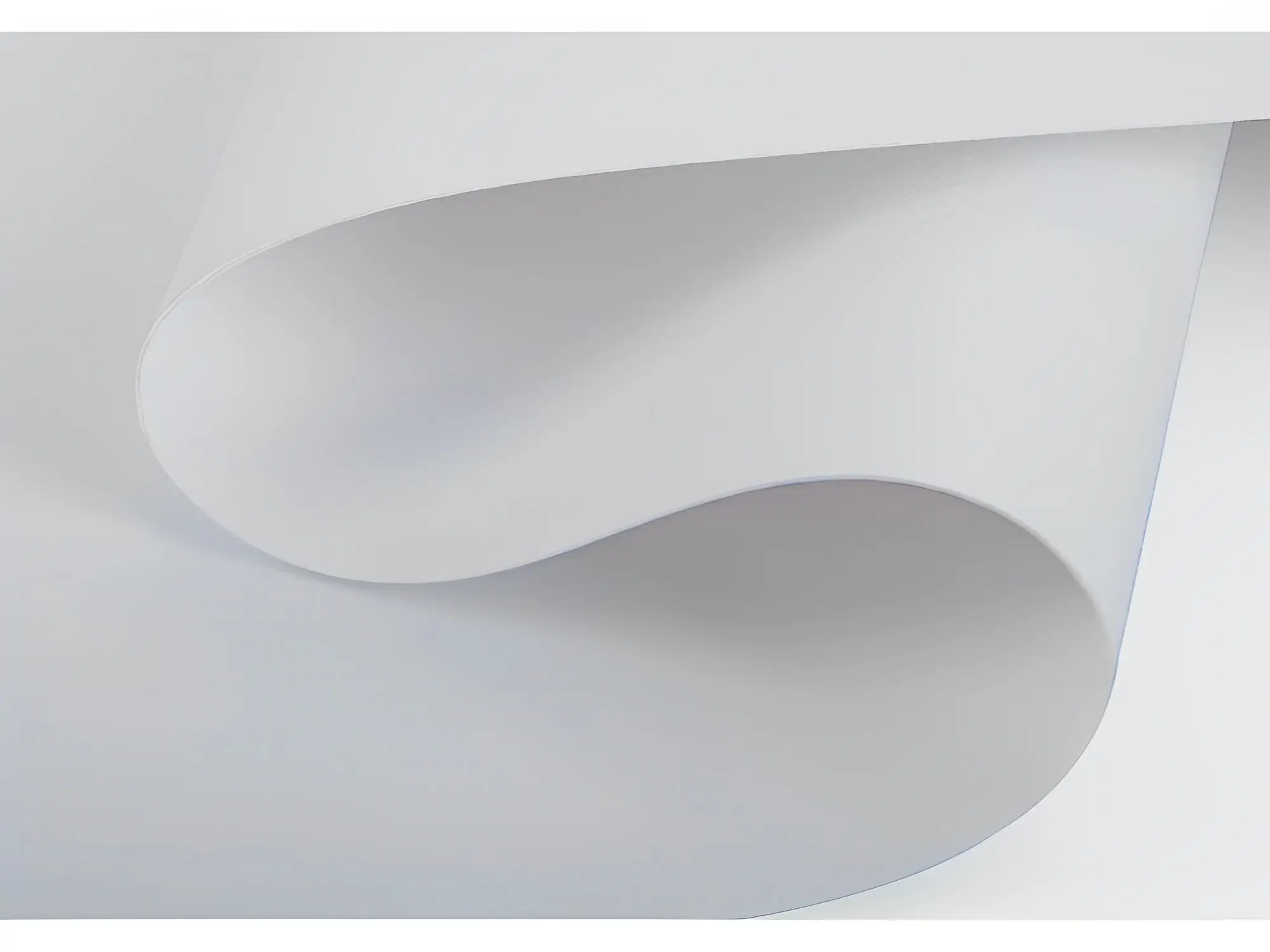
- Material: White opaque substrate with a thickness of around 340 GSM (grams per square meter).
- Surface options: Comes in both smooth and matte finishes, making it versatile for different display needs.
- Durability: Designed to withstand rain, wind, and direct sunlight, making it weather-resistant.
- Application: Can be used both indoors and outdoors for events, promotions, billboards, hoardings, and shop displays.
Because of its simple design and cost-effectiveness, front lit flex is one of the most popular choices for small businesses and large-scale outdoor campaigns alike.
Common Types of Front lit Advertising
When businesses use front lit flex banners, they often choose from a variety of display formats depending on the scale and placement of the campaign. Here are some of the most common types:
- Billboards and Hoardings
- Large printed banners displayed on highways, markets, and busy streets.
- Floodlights or spotlights are mounted in front to illuminate the banner at night.
- Shop Signage
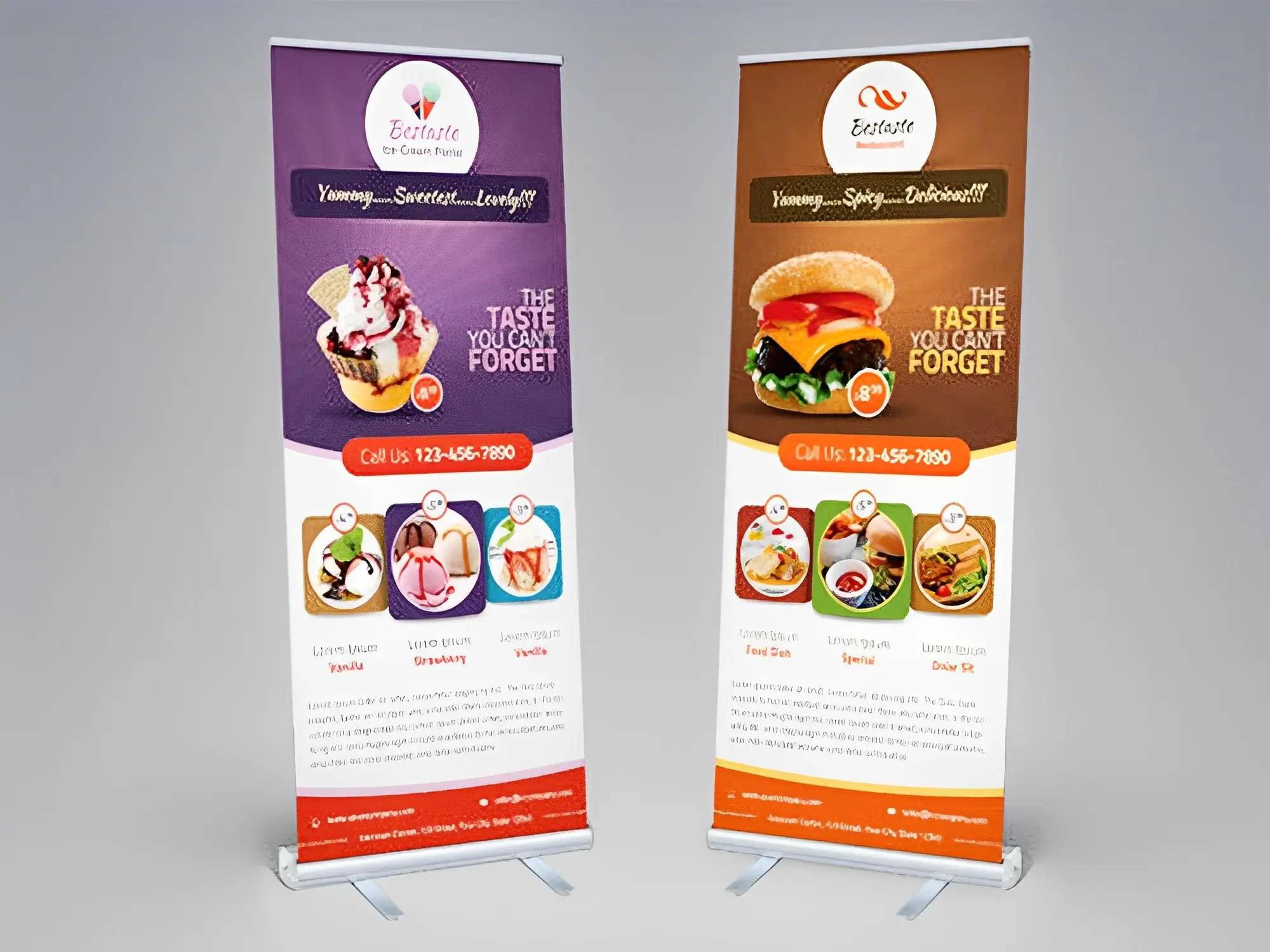
- Retail stores and restaurants use front lit banners to display their name, offers, or menu items.
- Works well for budget-conscious businesses.
- Event Banners
- Concerts, trade shows, and exhibitions often use front lit flex for stage backdrops and sponsor branding.
- Promotional Posters
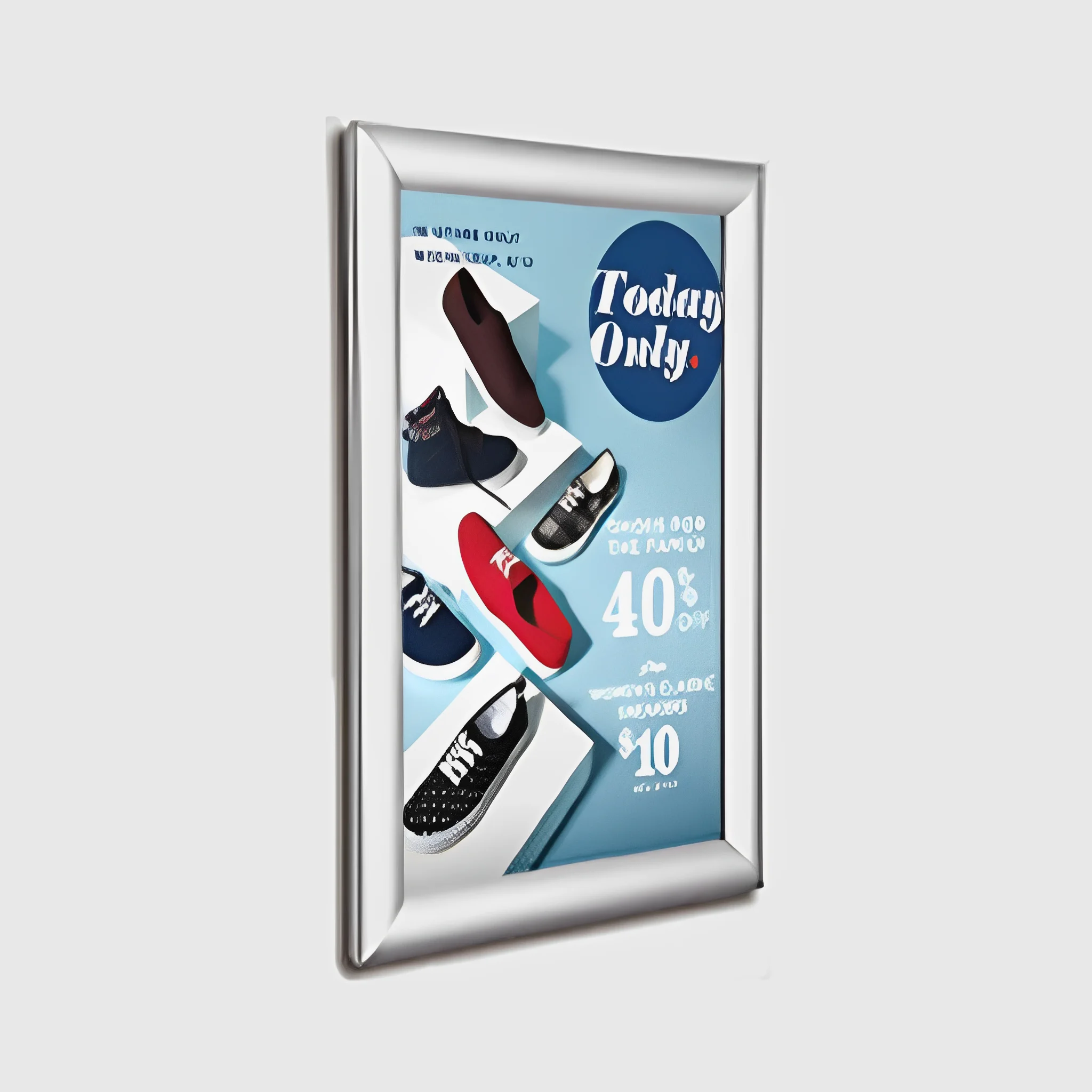
- Smaller flex posters hung inside malls or supermarkets with external lights directed toward them.
These examples show why front lit flex remains a go-to choice for many advertisers. It is simple, effective, and affordable.
Benefits of Front lit Flex
The advantages of front lit flex explain why it continues to dominate the advertising industry despite newer technologies emerging.
- Cost-Effective: Compared to backlit flex, front lit banners are more affordable, making them ideal for startups, small businesses, and short-term campaigns.
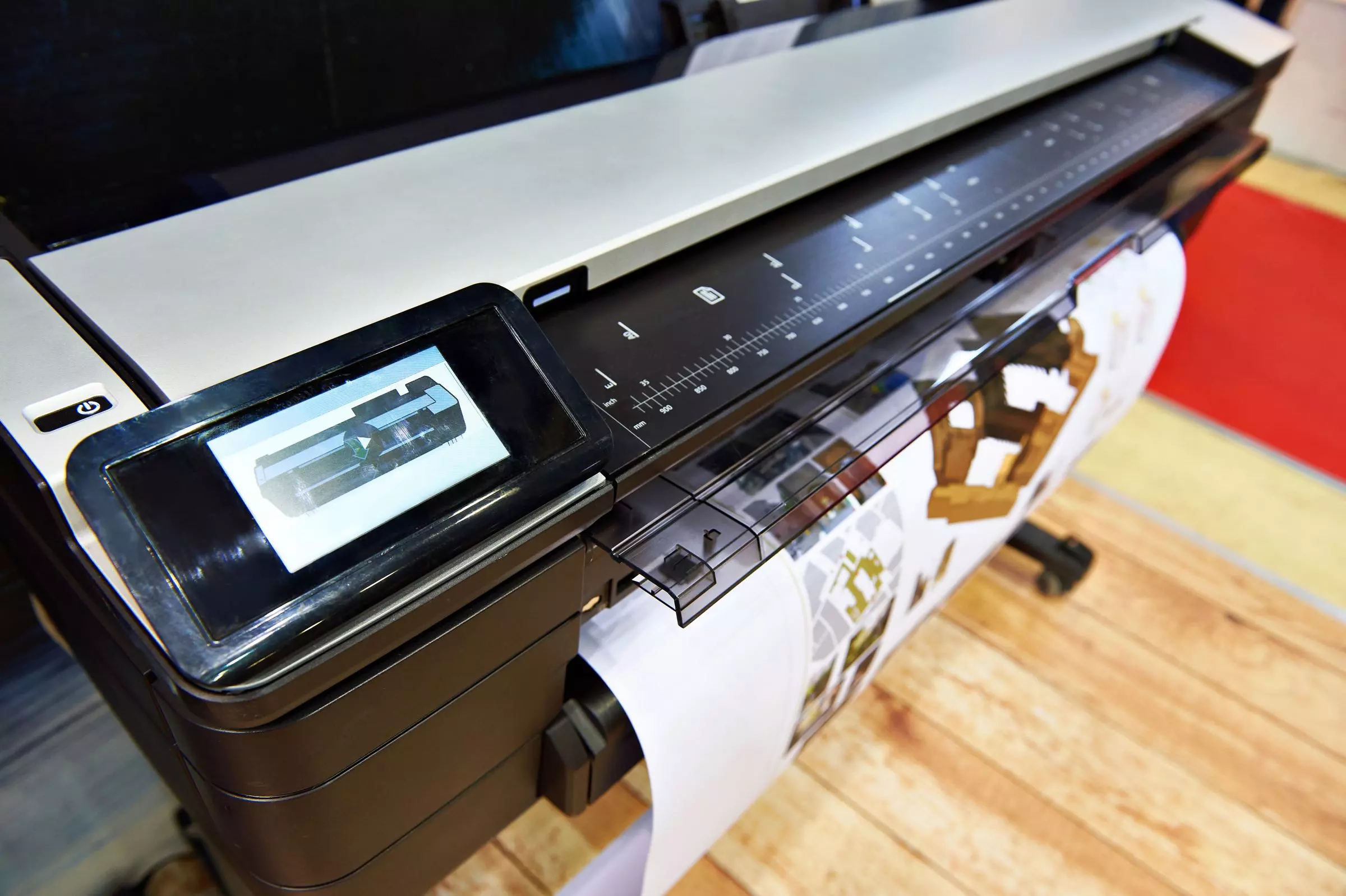
- Wide Availability: Printing front lit banners is quick and easy, with most local printers offering same-day delivery.
- Durability: The material is resistant to rain, sunlight, and dust, ensuring the banner remains intact for months.
- Versatility: Can be used in both indoor and outdoor environments without requiring specialized lighting structures.
- Customizable Sizes: Available in a wide range of sizes—from small posters to giant billboards.
In short, front lit flex is a reliable, budget-friendly, and durable option for any business looking to make an impact with outdoor advertising.
What is Backlit Flex?
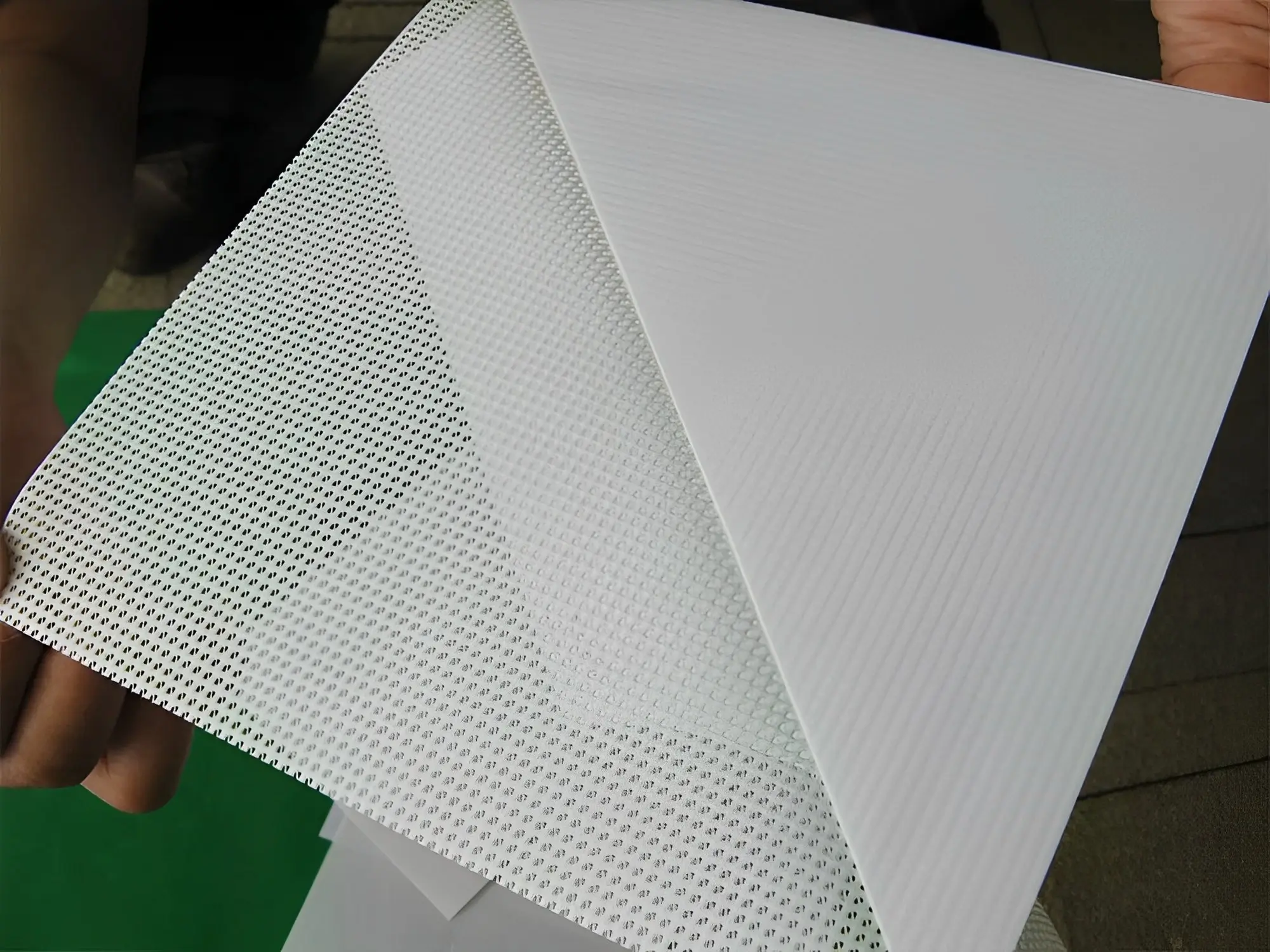
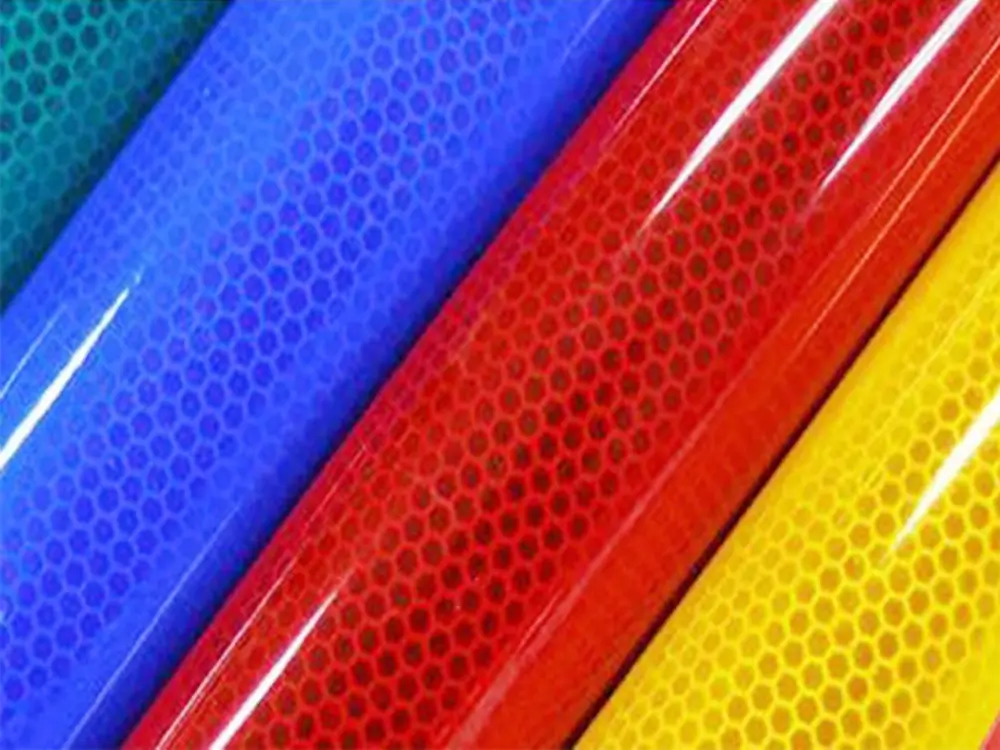
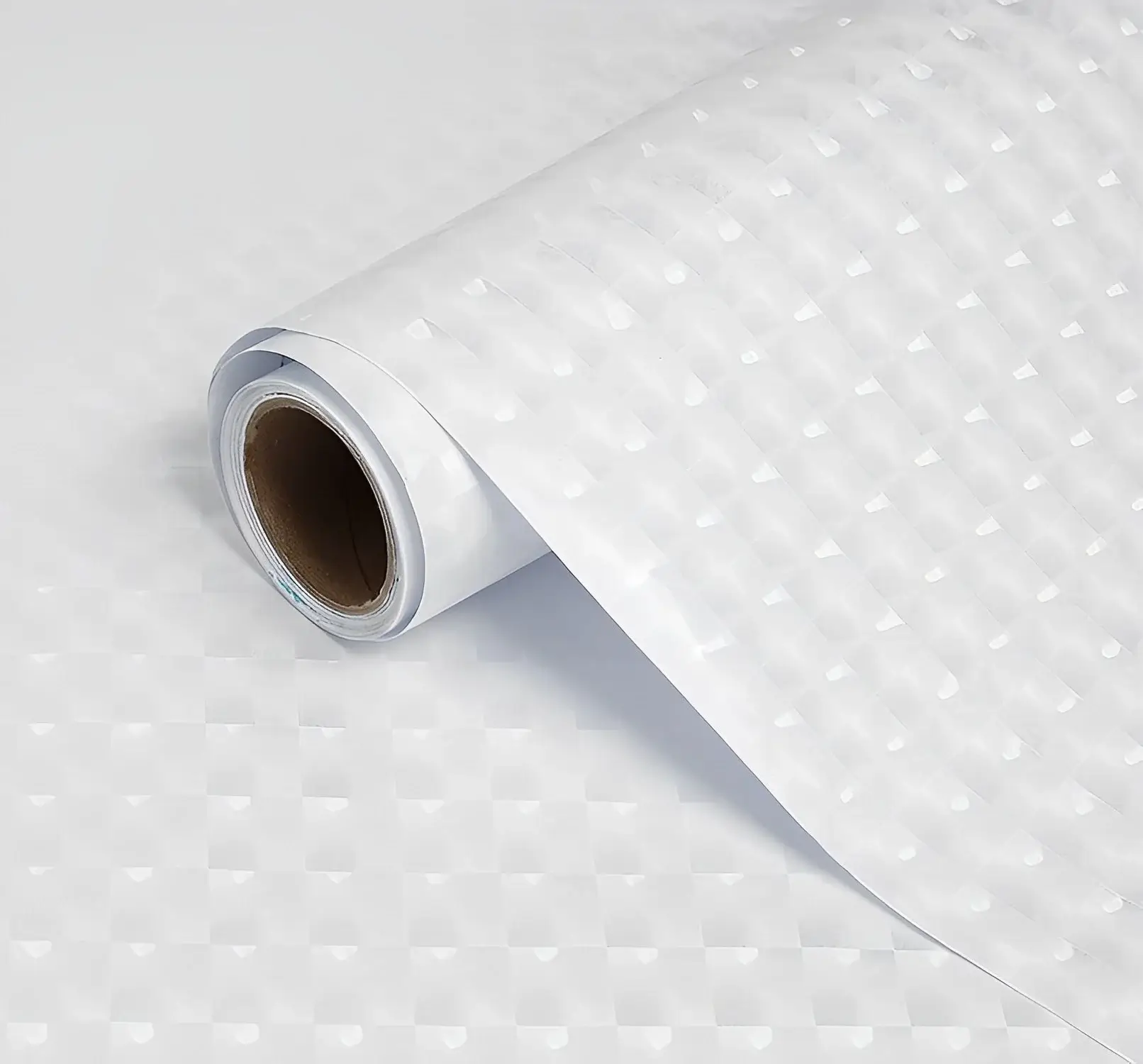
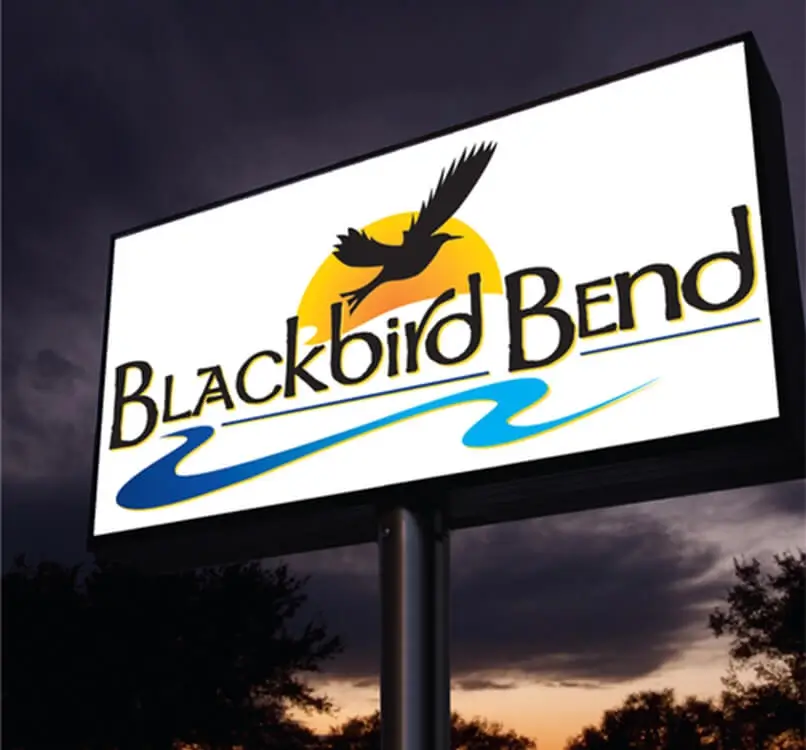
Unlike front lit banners that rely on external light sources, backlit flex banners are designed to be illuminated from behind. These banners are made from a semi-translucent material that allows light to pass through, creating a glowing, eye-catching effect.
Key features of backlit flex:
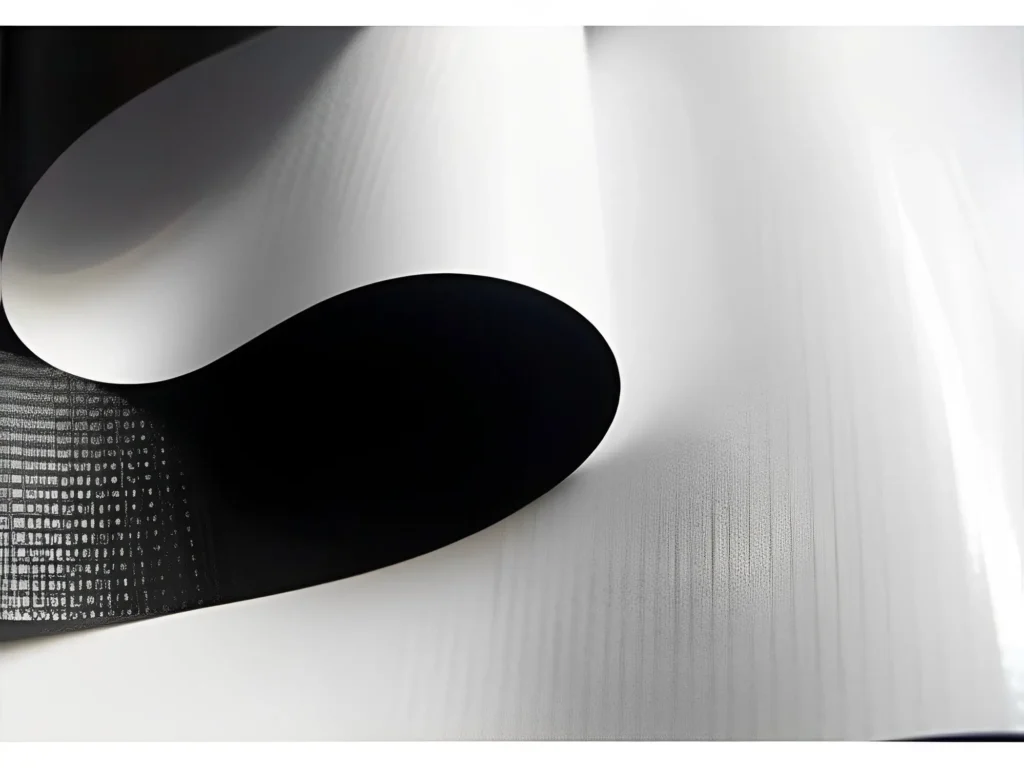
- Material: Stronger and more flexible than front lit, with high translucency for even light diffusion.
- Thickness: Typically ranges between 500 to 610 GSM, making it heavier and more durable.
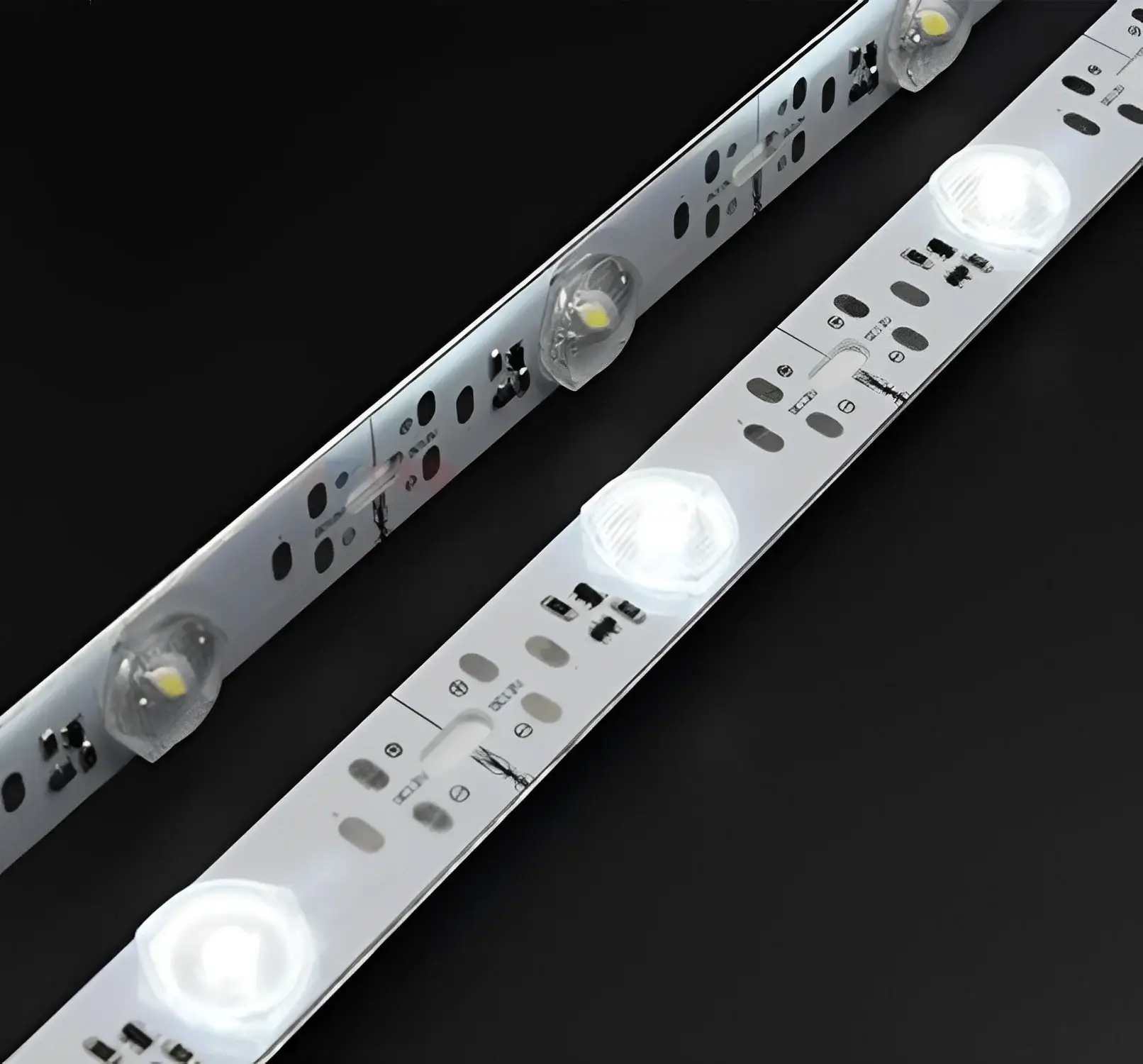
- Illumination: Works best with LED backlighting, fluorescent lights, or lightboxes.
- Applications: Commonly used for shop displays, airports, malls, showrooms, and premium outdoor advertising boards.
Because of its glowing and vibrant effect, backlit flex banners create a strong impression, especially in areas with high foot traffic or where businesses want to stand out at night.
Common Types of Backlit Advertising
Backlit flex advertising is used in more premium display formats compared to front lit banners. Common examples include:
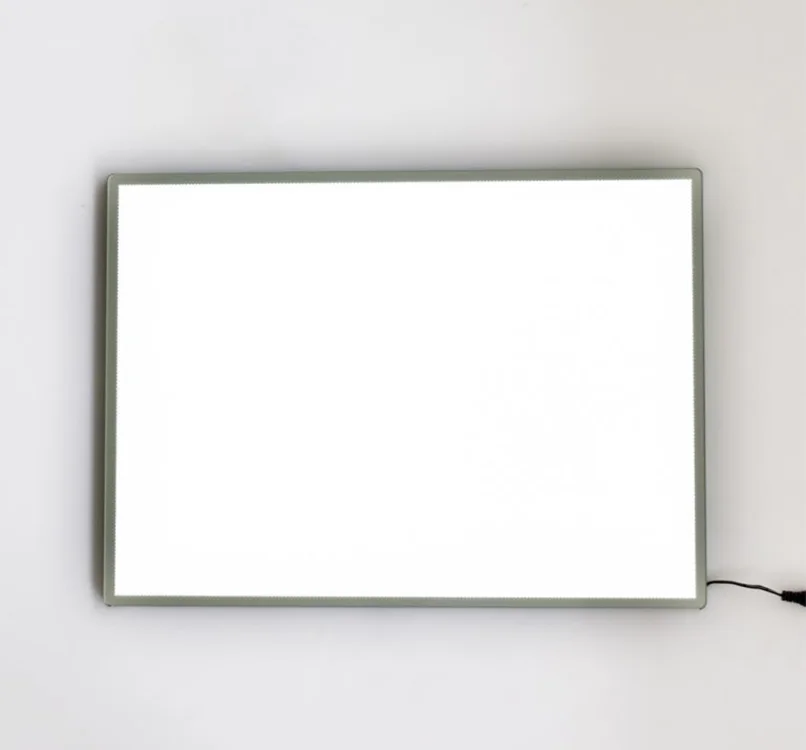
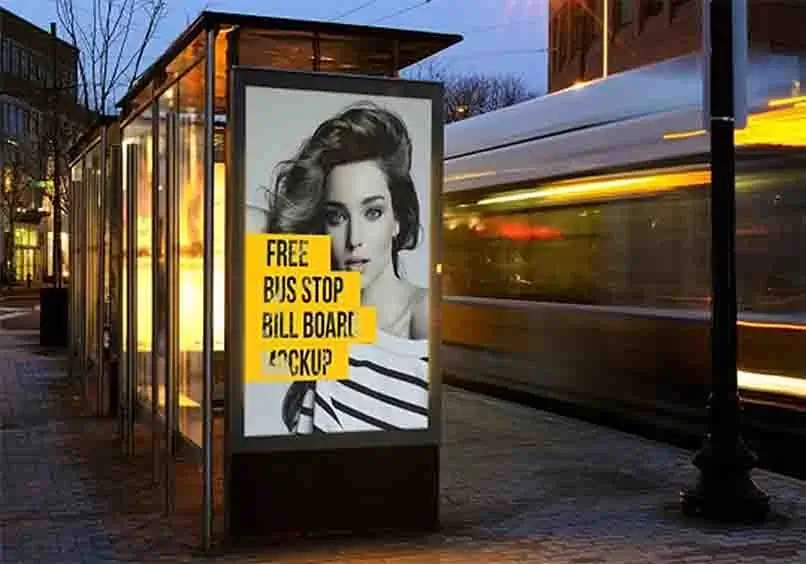
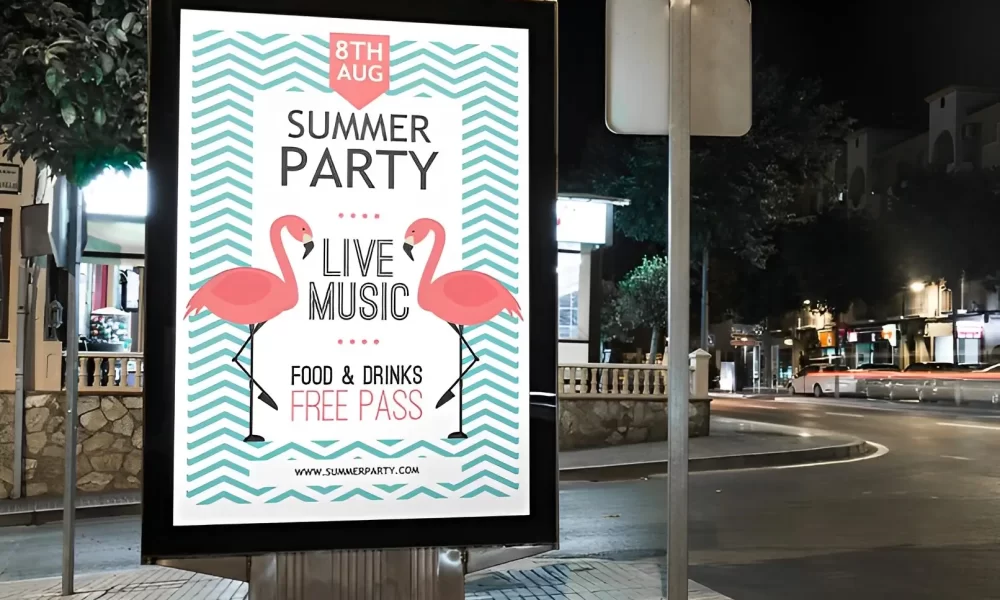
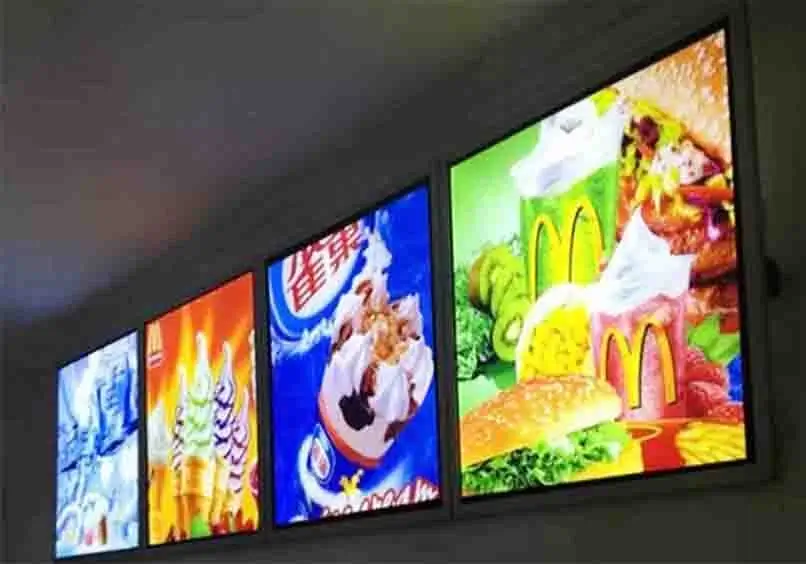
- Lightbox Displays
- Found in malls, airports, and metro stations.
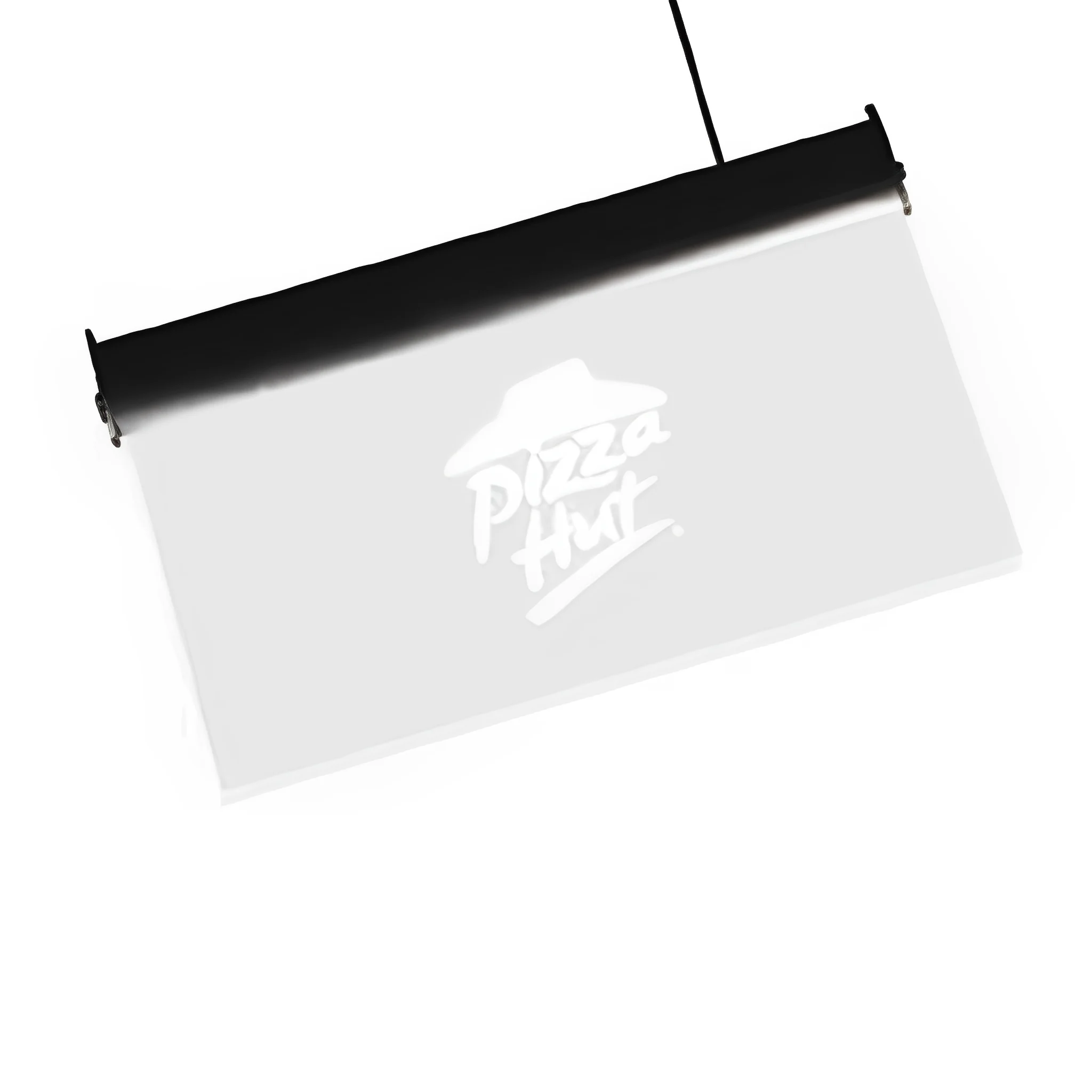
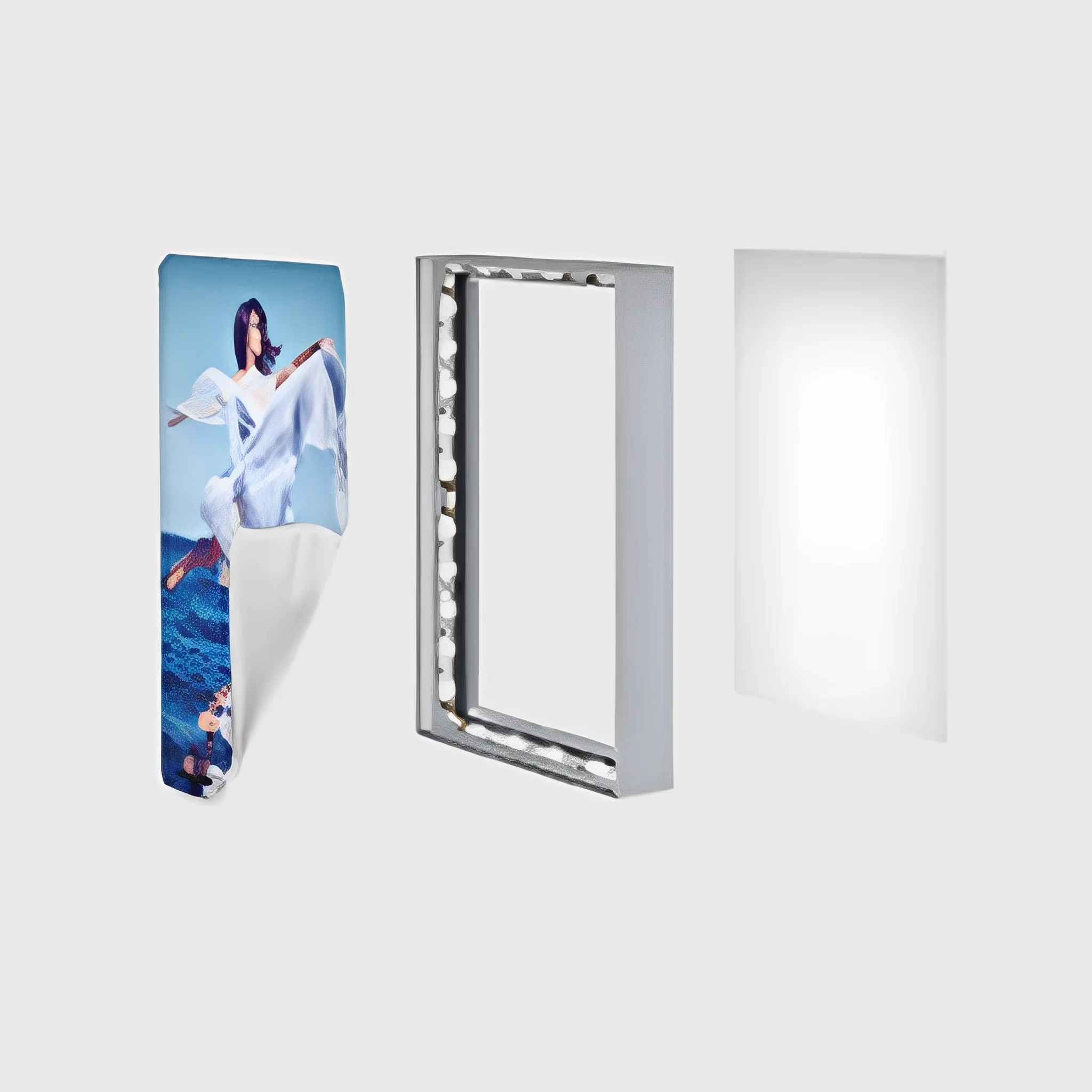
- The flex is placed inside a box with LED lights behind it, making the display glow.
- Shopfront Branding
- Many showrooms, branded retail stores, and restaurants use backlit flex to make their signage stand out.
- Billboards
- In high-end areas, large backlit billboards are installed with built-in lighting systems.
- Product Displays
- Luxury brands use backlit displays inside malls or exhibitions to highlight their premium products.
These advertising methods demonstrate how backlit flex offers a premium feel that enhances visibility and brand appeal.
Benefits of Backlit Flex
The advantages of backlit flex lie in its glowing, high-visibility effect.
- High Visibility: Works day and night, with maximum impact at night.
- Premium Look: Creates a glowing effect that immediately attracts attention and enhances brand image.
- Even Light Distribution: The semi-translucent material ensures smooth and uniform brightness.
- Durability: Stronger and heavier than front lit flex, making it more long-lasting.
- Versatility: Can be used for small indoor displays as well as large outdoor billboards.
This makes backlit flex the preferred choice for businesses that want to leave a lasting impression and are willing to invest in high-quality displays.
Front lit vs Backlit Flex – Key Differences
Although both are flex materials used in advertising, front lit and backlit flex differ significantly in design, cost, and usage.
| Feature | Front lit Flex | Backlit Flex |
|---|---|---|
| Lighting | Lit from the front using spotlights | Lit from behind with LEDs or lightboxes |
| Material | Opaque, 340 GSM | Translucent, 500–610 GSM |
| Cost | More affordable | More expensive |
| Appearance | Standard printed banner | Glowing, premium display |
| Applications | Shops, billboards, events | Airports, malls, showrooms, high-end billboards |
| Durability | Weather-resistant, lightweight | Heavier, more durable |
In short, front lit flex is best for budget-friendly campaigns, while backlit flex is ideal for premium advertising.
Can Front lit and Backlit Flex Work Together?
Yes, businesses often use both front lit and backlit flex as part of a mixed marketing strategy.
For example:
- A retail chain may use front lit banners for outdoor promotions like discounts or seasonal sales.
- At the same time, they may use backlit flex displays inside malls or at their store entrance to enhance branding.
This combination allows brands to balance cost-efficiency with premium visibility, ensuring maximum impact across different customer touchpoints.
How to Decide Which Strategy is Right for You
Choosing between front lit and backlit flex depends on a few key factors:
- Budget
- If you want cost-effective advertising, go for front lit flex.
- If you’re ready to invest more for a premium look, choose backlit flex.
- Location
- For highways, busy streets, or temporary promotions, front lit banners are ideal.
- For malls, airports, showrooms, or premium locations, backlit flex works best.
- Campaign Goal
- If visibility during the day is enough, stick to front lit.
- If you want round-the-clock glowing visibility, go for backlit.
- Brand Image
- Budget-conscious businesses often choose front lit.
- Premium or luxury brands prefer backlit for a superior impression.
By weighing these factors, businesses can make an informed decision that aligns with their marketing goals and target audience.
Final Thoughts
Both front lit flex and backlit flex play important roles in modern advertising.
- Front lit flex is cost-effective, versatile, and widely used for billboards, events, and retail promotions.
- Backlit flex offers a glowing premium effect that enhances brand visibility and creates a long-lasting impression.
When deciding between the two, businesses should consider budget, location, and campaign objectives. In many cases, a mix of both works best—front lit for mass outdoor visibility and backlit for premium indoor branding.
In conclusion, the choice between front lit vs backlit flex is not about which is better overall, but which is better for your specific business needs.