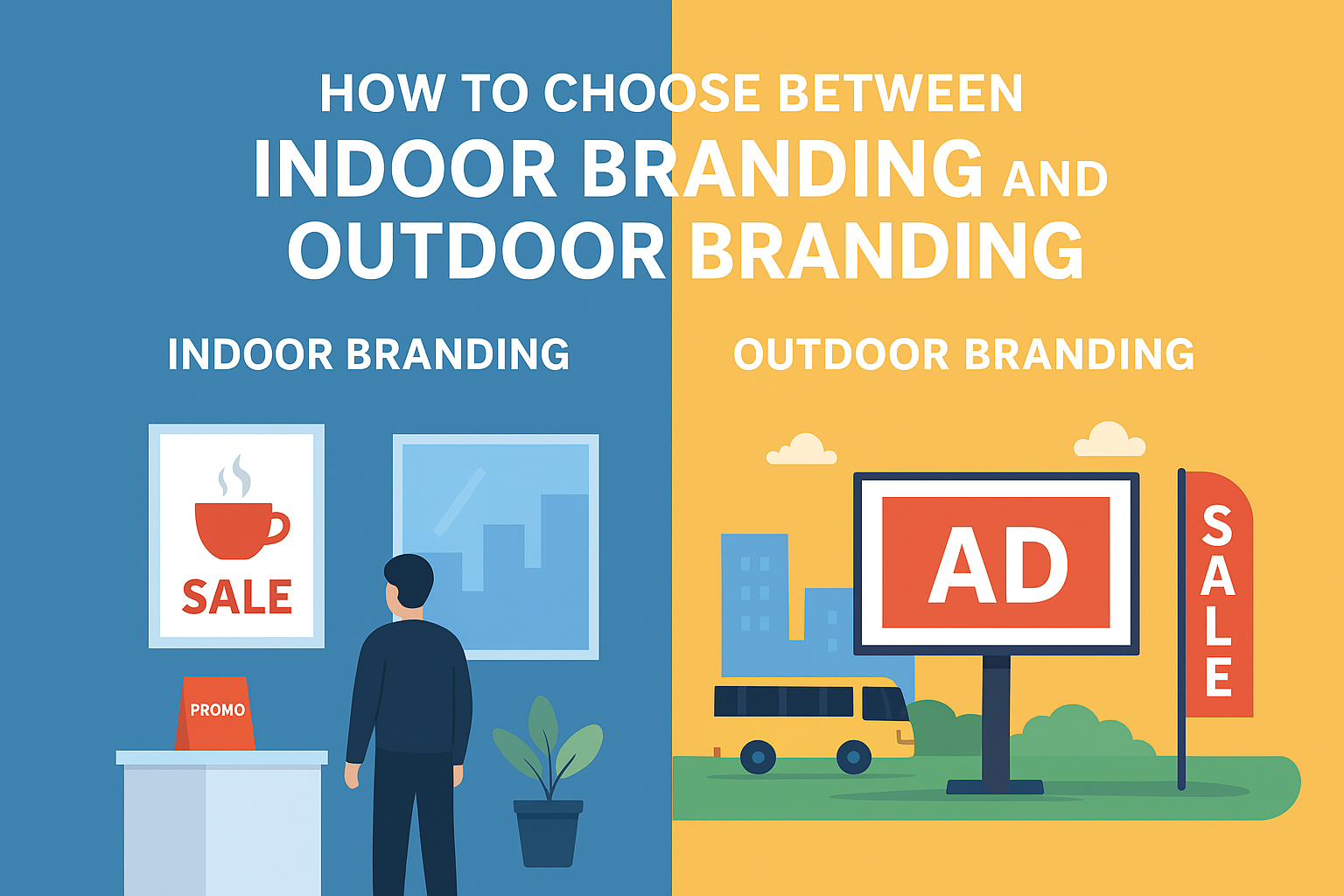
Indoor branding and outdoor branding are two of the most powerful marketing approaches businesses can use to build awareness, influence customer decisions, and boost sales. But which one is right for you? This complete guide explores what indoor advertising and outdoor advertising mean, their benefits, key differences, and how to decide between them—or even combine both for maximum effectiveness.
Marketing has always been about reaching the right audience with the right message at the right time. Two of the most effective approaches for achieving this are indoor branding and outdoor branding. Both strategies allow businesses to showcase their products, services, and values, but they differ in location, audience engagement, and overall impact.
For many businesses, the question isn’t whether branding is necessary—it’s how to choose between indoor and outdoor methods. Should you focus on indoor advertising inside shops, malls, and cafes? Or should you invest in outdoor advertising on billboards, buses, and street banners?
This article explores everything you need to know about indoor vs outdoor marketing, including definitions, benefits, examples, and practical advice for choosing the right strategy.
What is Indoor Branding?
Indoor branding refers to promotional activities and advertising placements within enclosed or controlled spaces. These could be retail outlets, offices, gyms, coffee shops, restaurants, airports, bus stations, or any other place where people spend time indoors.
Unlike outdoor campaigns, indoor branding allows businesses to advertise in an environment where customers are already engaged. People walking into a supermarket or sitting in a café are not rushing as much as pedestrians crossing busy streets, so they are more likely to pay attention to messaging.
This form of advertising is often cost-effective and can be highly targeted, especially when placed in spaces aligned with customer behavior. For example, a fitness brand displaying posters inside a gym connects directly with its ideal audience.
Indoor branding works because:

- It engages consumers in a controlled environment.
- It can drive impulse purchases near the point of sale.
- It creates strong brand recall through repeated exposure.
Common Types of Indoor Advertising
Indoor advertising can take many forms depending on the venue and business goals. Some of the most popular indoor promotional materials examples include:
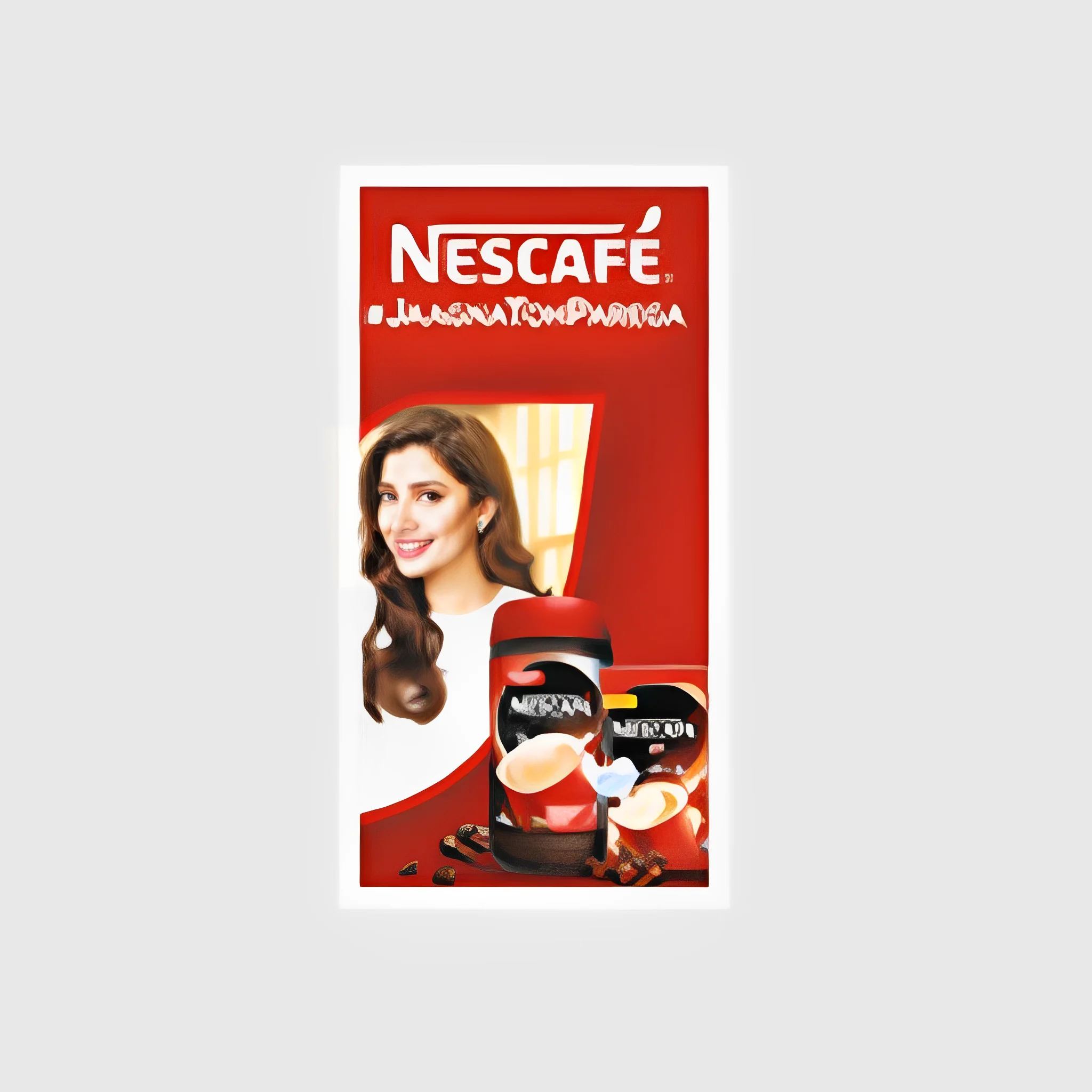
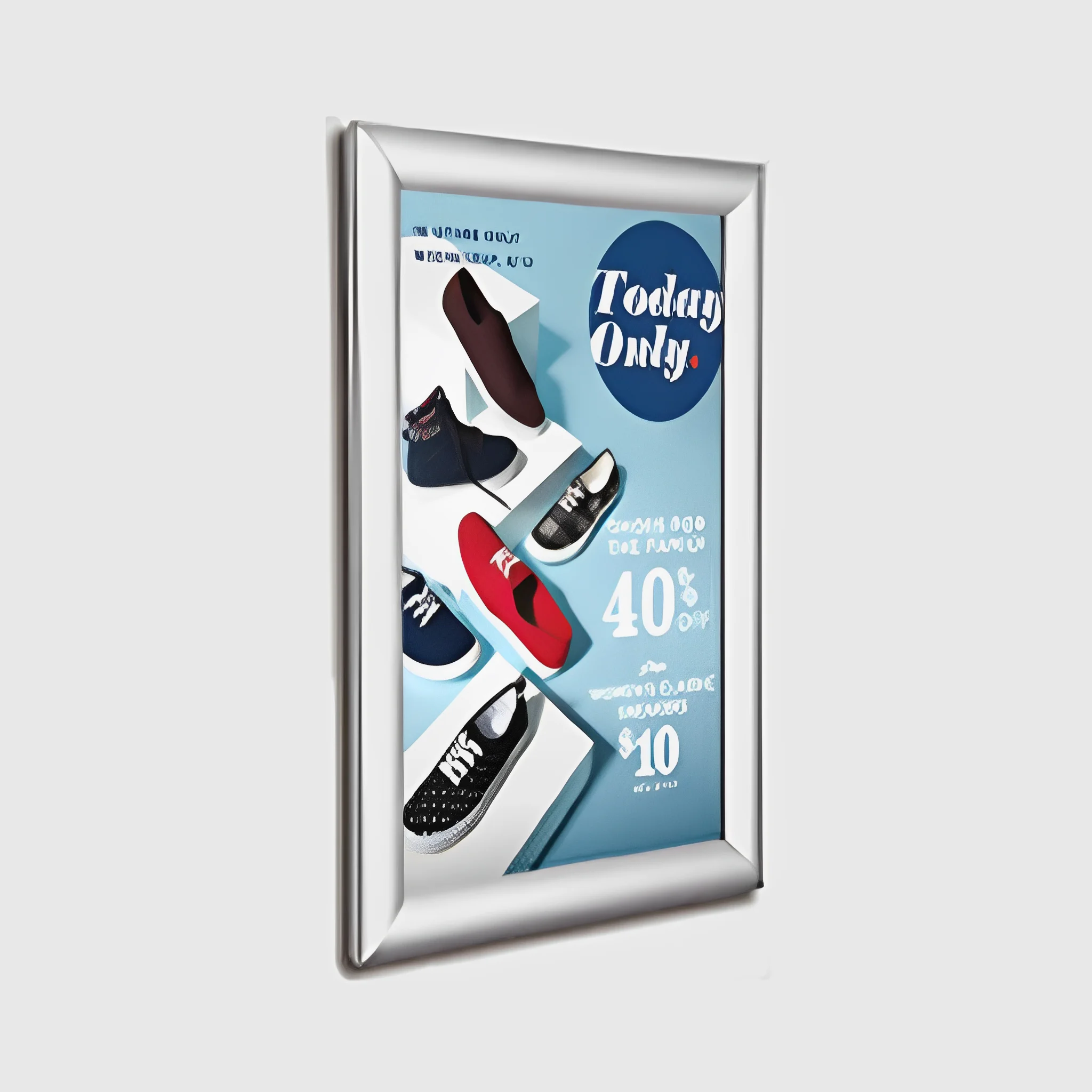
- Posters and Flyers – Simple but effective tools often placed in supermarkets, restaurants, or community boards.
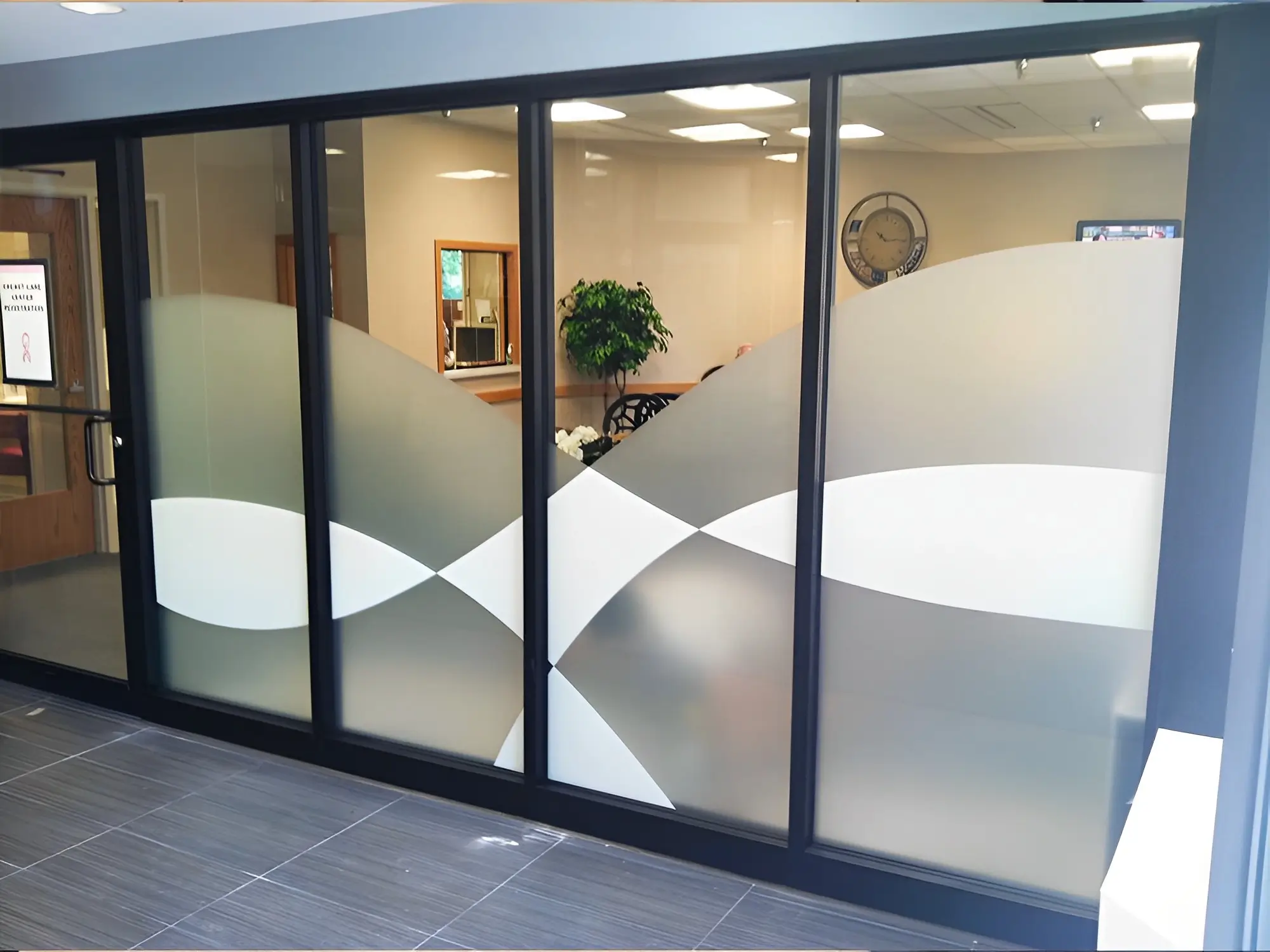
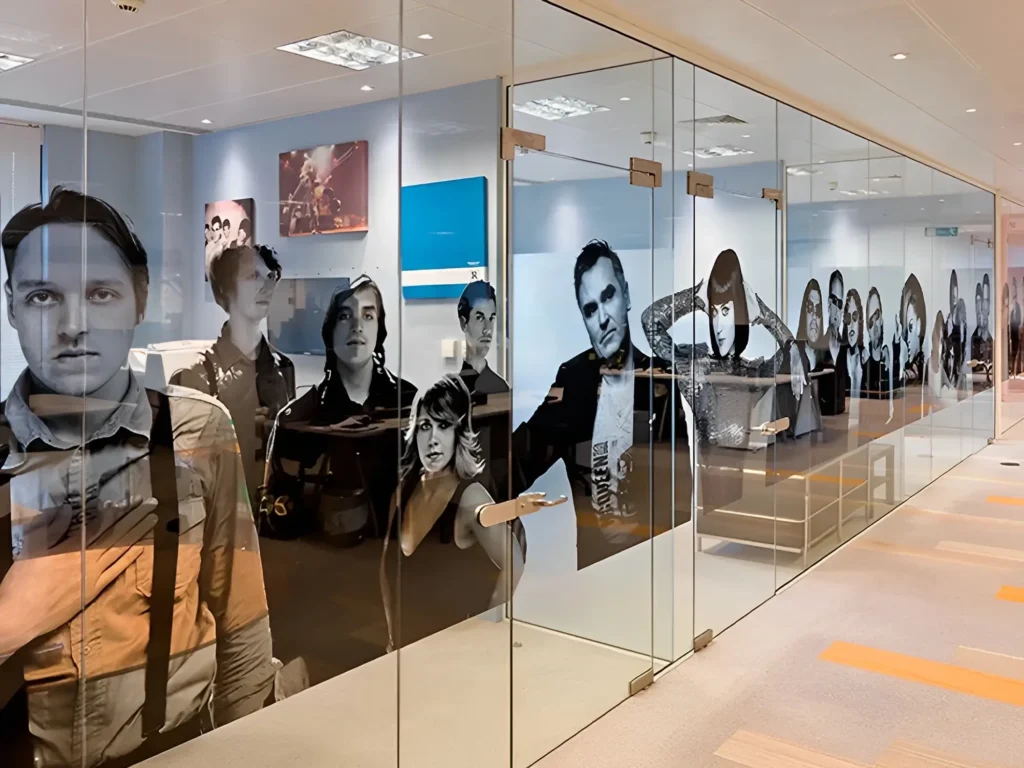
- Shop Windows and Displays – Used to attract foot traffic and showcase new products.
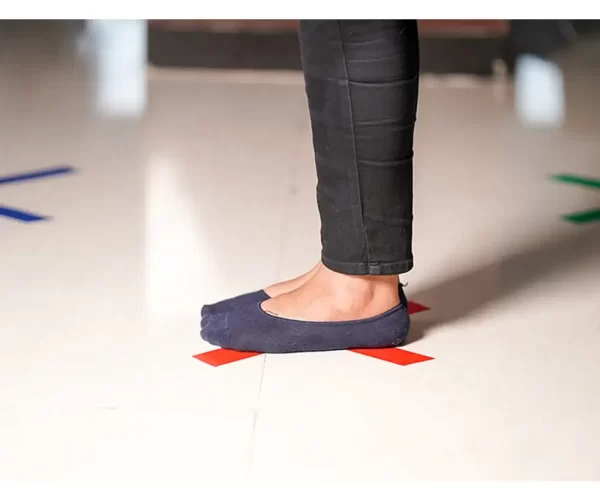
- Floor Graphics – Eye-catching visuals on the ground that guide movement or highlight promotions.
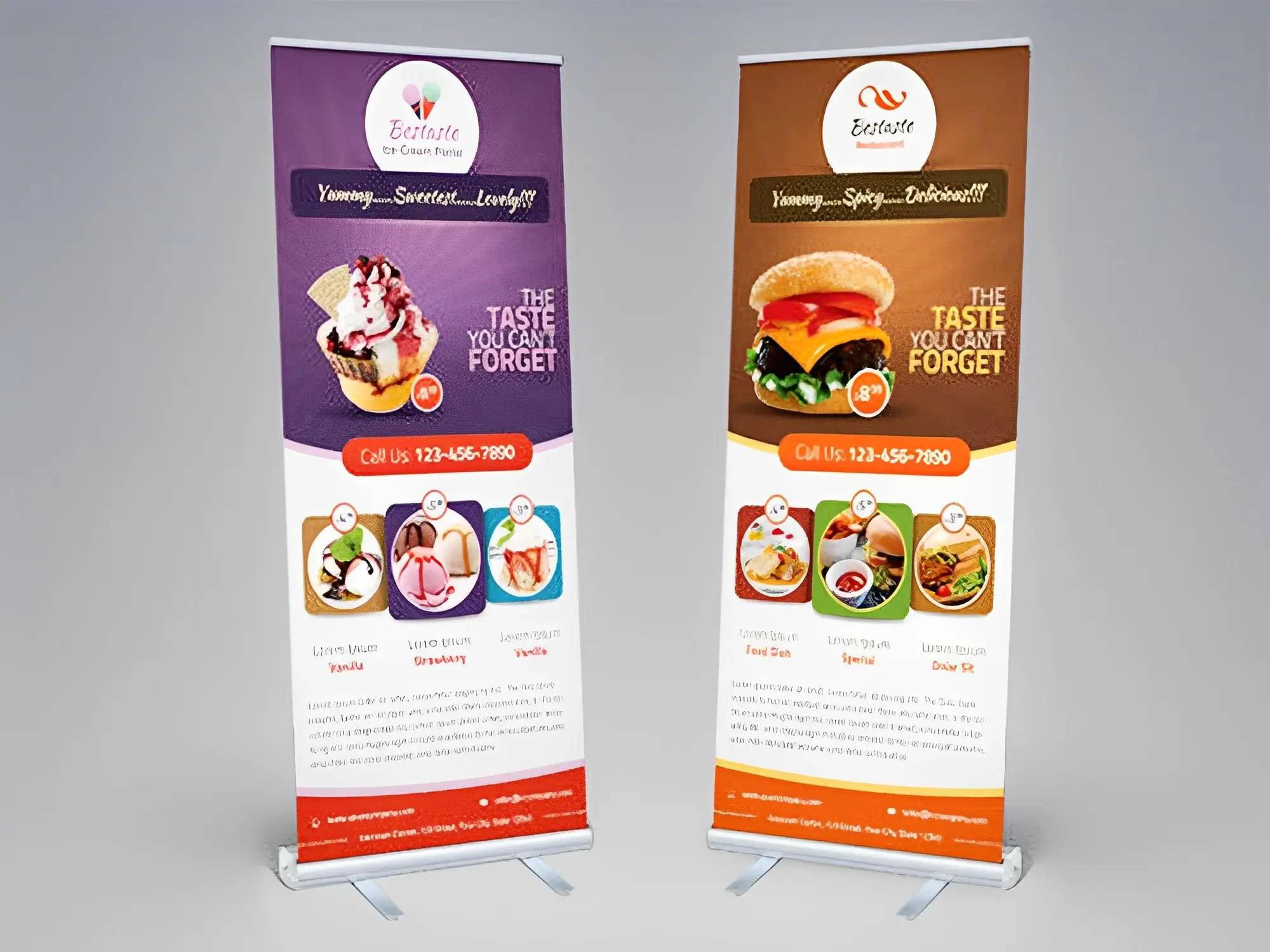
- Pull-up Banners – Portable and versatile, commonly used at events, trade shows, or in-store promotions.
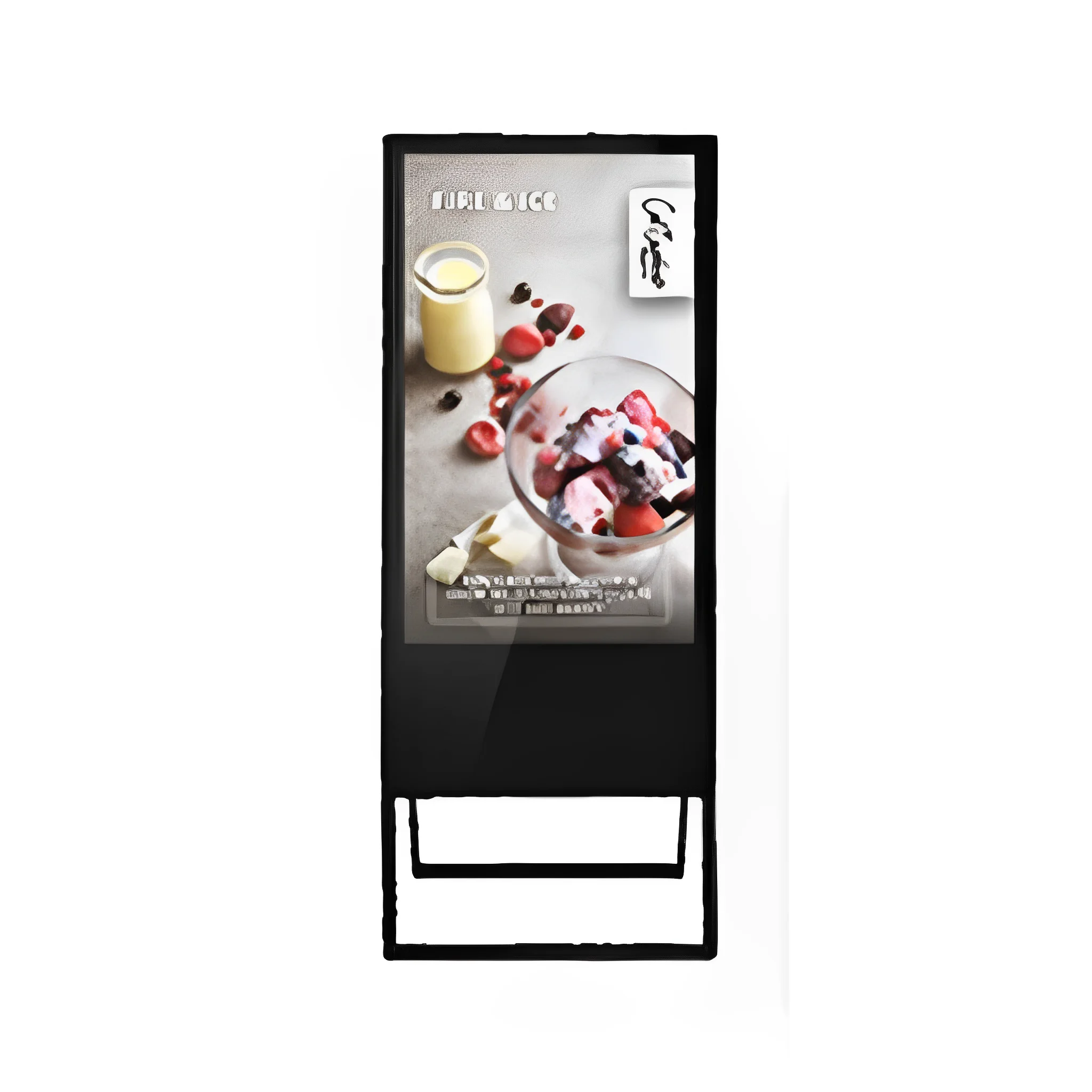
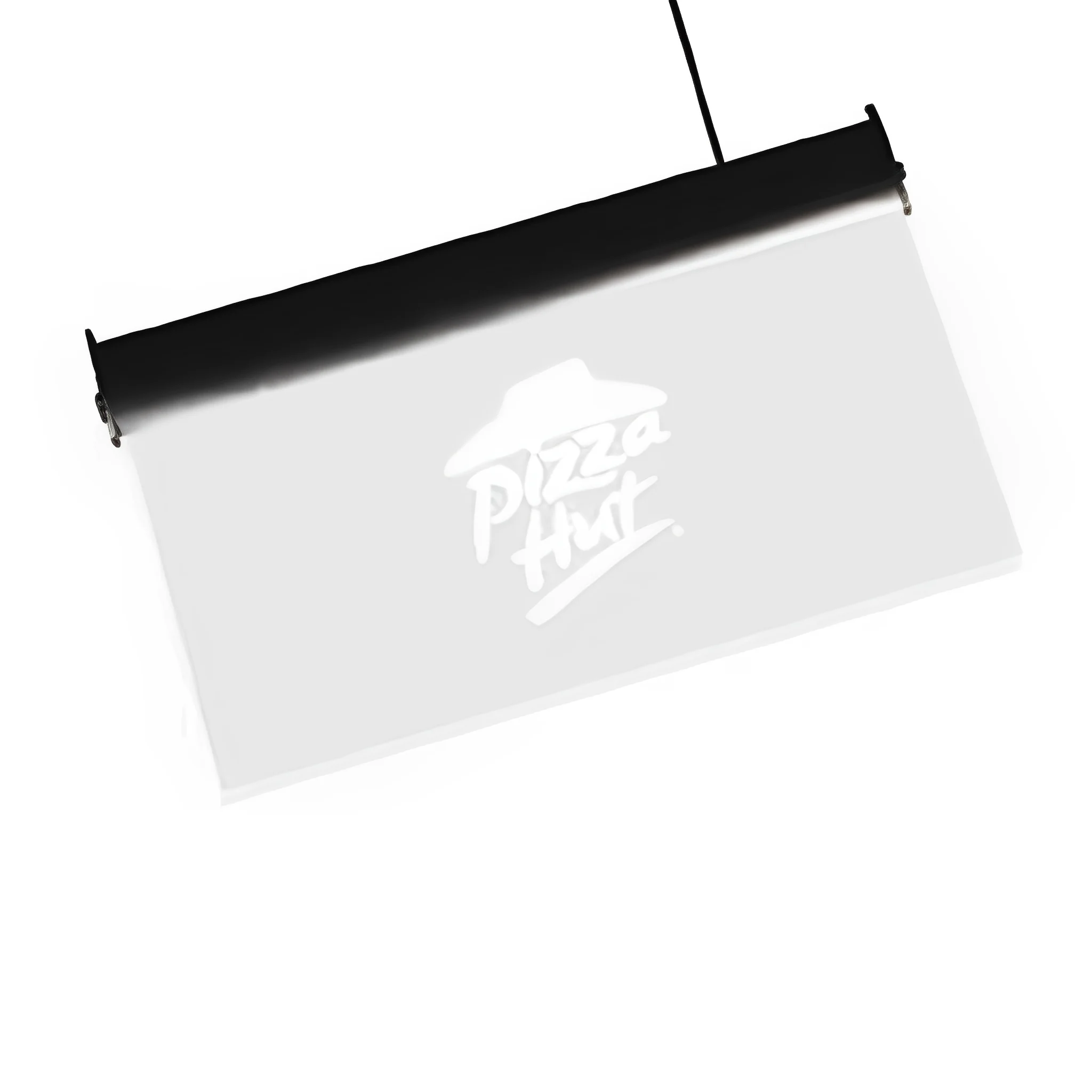
- Lightboxes – Illuminated displays that stand out in shopping centers or restaurants.
- Promotional Stands – Interactive counters where customers can test products or receive free samples.
- Information Tables – Helpful in offices, schools, or public institutions for sharing details about events or services.
These tools give businesses flexibility. Whether you are launching a new product, holding an event, or simply reminding customers about promotions, indoor advertising ensures visibility where it matters most.
Benefits of Indoor Branding
The benefits of indoor branding go beyond cost savings. It has several advantages that make it an attractive choice for many businesses:
- Controlled Environment: Businesses can carefully select where and how ads are displayed.
- Semi-Engaged Audience: Customers indoors are more likely to notice and absorb messages.
- Cost-Effective: Generally cheaper than large outdoor campaigns like billboards.
- Stronger Impact at Point of Sale: Indoor branding often influences last-minute buying decisions.
- High Customization: Businesses can tailor designs, placements, and formats to match their audience.
- Extended Engagement Time: Unlike outdoor ads seen briefly, indoor ads may stay in front of customers longer (e.g., a poster in a café).
Indoor branding is particularly powerful for businesses that rely on customer experiences—restaurants, retail shops, gyms, and entertainment venues.
What is Outdoor Branding?
Outdoor branding refers to advertising in open, public spaces. It is one of the oldest and most recognized forms of marketing, used by businesses worldwide to capture the attention of mass audiences.
Outdoor branding works because of its sheer visibility. Billboards on highways, ads at bus stops, banners on buildings, or signage outside stores can be seen by thousands of people daily. Unlike indoor branding, where the audience is already semi-engaged, outdoor branding competes with multiple distractions but makes up for it with reach.
Outdoor advertising is especially useful for awareness campaigns, new product launches, and building a strong public presence.
Common Types of Outdoor Advertising
Some of the most common outdoor advertising methods for businesses include:
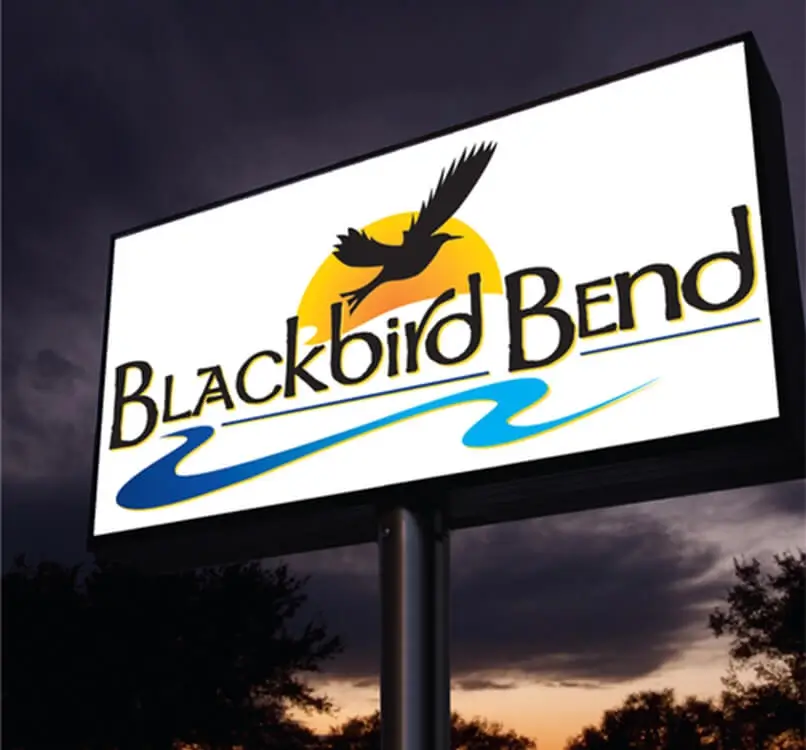
- Billboards – Large-scale advertisements placed on highways, city centers, or high-traffic areas.
- Bus Stop or Metro Station Ads – Effective for reaching commuters.
- Building Wraps and Banners – Giant visuals displayed on the sides of buildings.
- Flags and Outdoor Signage – Simple but impactful, often used outside shops or events.
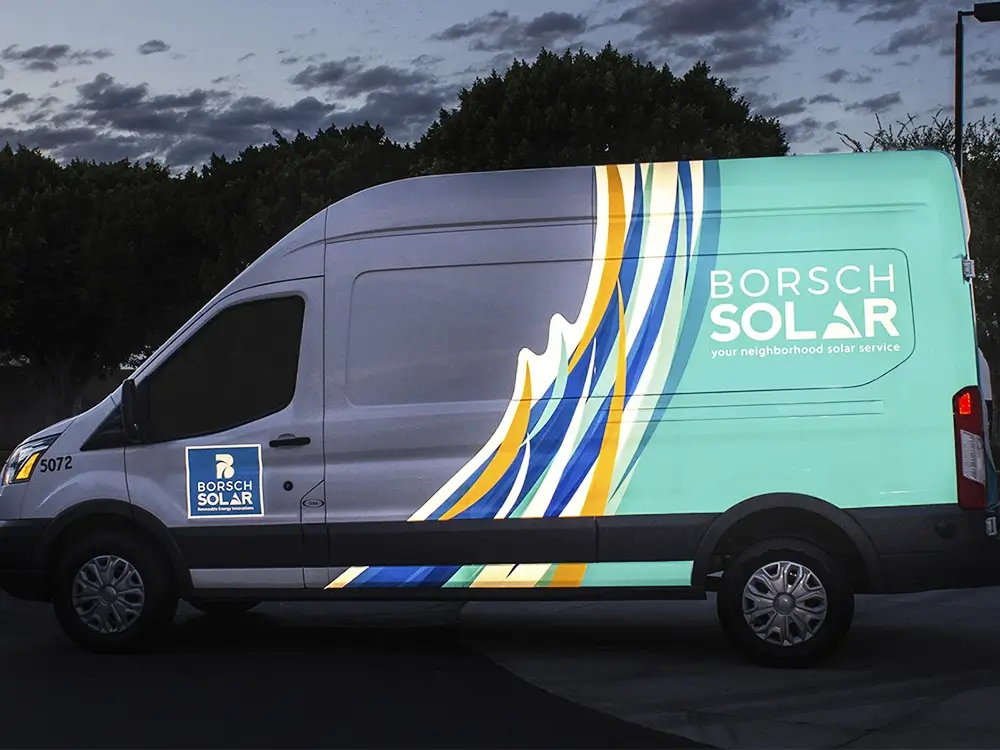
- Vehicle Branding – Advertising on buses, taxis, or company fleets, ensuring mobility and reach.
- Street-Level Posters – Placed on poles, walls, or pedestrian-heavy zones.
Each format caters to different campaign goals, but all work to maximize public exposure.
Benefits of Outdoor Branding
The benefits of outdoor branding make it indispensable for businesses aiming for visibility:
- Mass Reach: Outdoor ads are visible to thousands or even millions depending on location.
- 24/7 Exposure: Billboards and signage continue to work day and night.
- Credibility: Large outdoor campaigns enhance brand authority and recognition.
- Geographic Targeting: Businesses can place ads in specific regions, cities, or even neighborhoods.
- Durability: Outdoor ads last longer compared to temporary indoor campaigns.
- Impactful for Launches: Perfect for product launches, events, or rebranding campaigns.
For businesses with a wider audience, outdoor branding is often the first choice because of its ability to generate awareness quickly.
Indoor vs Outdoor Branding – Key Differences
Choosing between indoor and outdoor branding depends on understanding their differences. Here are the most critical distinctions:
- Audience Engagement
- Indoor branding: Captures a semi-engaged audience already inside a space.
- Outdoor branding: Reaches a wider but less focused audience on the move.
- Reach
- Indoor: Localized, focused on customers inside or near a venue.
- Outdoor: Mass visibility across cities or regions.
- Cost
- Indoor: Generally more affordable, ideal for small and medium businesses.
- Outdoor: Can be expensive depending on placement and duration.
- Impact
- Indoor: Strong influence on purchase decisions.
- Outdoor: Strong influence on brand awareness.
- Control
- Indoor: Businesses have greater control over placement and environment.
- Outdoor: Placement depends on location and external factors.
Can Indoor and Outdoor Branding Work Together?
Yes, they can—and they often should. The indoor vs outdoor advertising effectiveness debate does not mean one must replace the other. Many successful campaigns combine both for maximum impact.
For example:
- A fashion brand may use billboards (outdoor) to announce a new collection, then use posters and displays inside malls (indoor) to drive purchases.
- A restaurant may advertise on bus shelters (outdoor) and then use menus, table tents, and banners inside (indoor) to influence customer choices.
When used together, outdoor branding builds awareness, while indoor branding drives conversion. This synergy ensures businesses cover the entire customer journey.
How to Decide Which Strategy is Right for You
The choice between indoor branding and outdoor branding depends on several factors:
- Budget
- Smaller budgets are better suited for indoor campaigns.
- Larger budgets allow for impactful outdoor campaigns.
- Business Goals
- If your goal is brand awareness: outdoor advertising is stronger.
- If your goal is direct sales or upselling: indoor advertising works best.
- Target Audience
- Indoor branding works well for niche, localized audiences.
- Outdoor branding is effective for reaching diverse, large-scale audiences.
- Location
- Businesses near high-traffic zones benefit from outdoor branding.
- Businesses inside malls, gyms, or restaurants benefit from indoor branding.
- Campaign Type
- Short-term promotional offers may suit indoor branding.
- Long-term branding goals may require outdoor advertising.
Ultimately, businesses should evaluate their unique circumstances and sometimes even blend both strategies.
Final Thoughts
The decision between indoor vs outdoor marketing isn’t about which is better universally. Instead, it’s about which aligns best with your goals, audience, and budget.
- Indoor branding offers targeted, cost-effective advertising with high engagement at the point of purchase.
- Outdoor branding provides large-scale visibility, authority, and brand awareness.
- Together, they create a complete strategy that takes customers from awareness to action.
Businesses that understand the strengths of both can use them strategically to maximize impact. Instead of seeing indoor and outdoor branding as rivals, think of them as partners that complement each other.
When chosen wisely, the combination of indoor and outdoor branding not only enhances visibility but also drives results—helping businesses grow stronger and connect meaningfully with customers.