Introduction
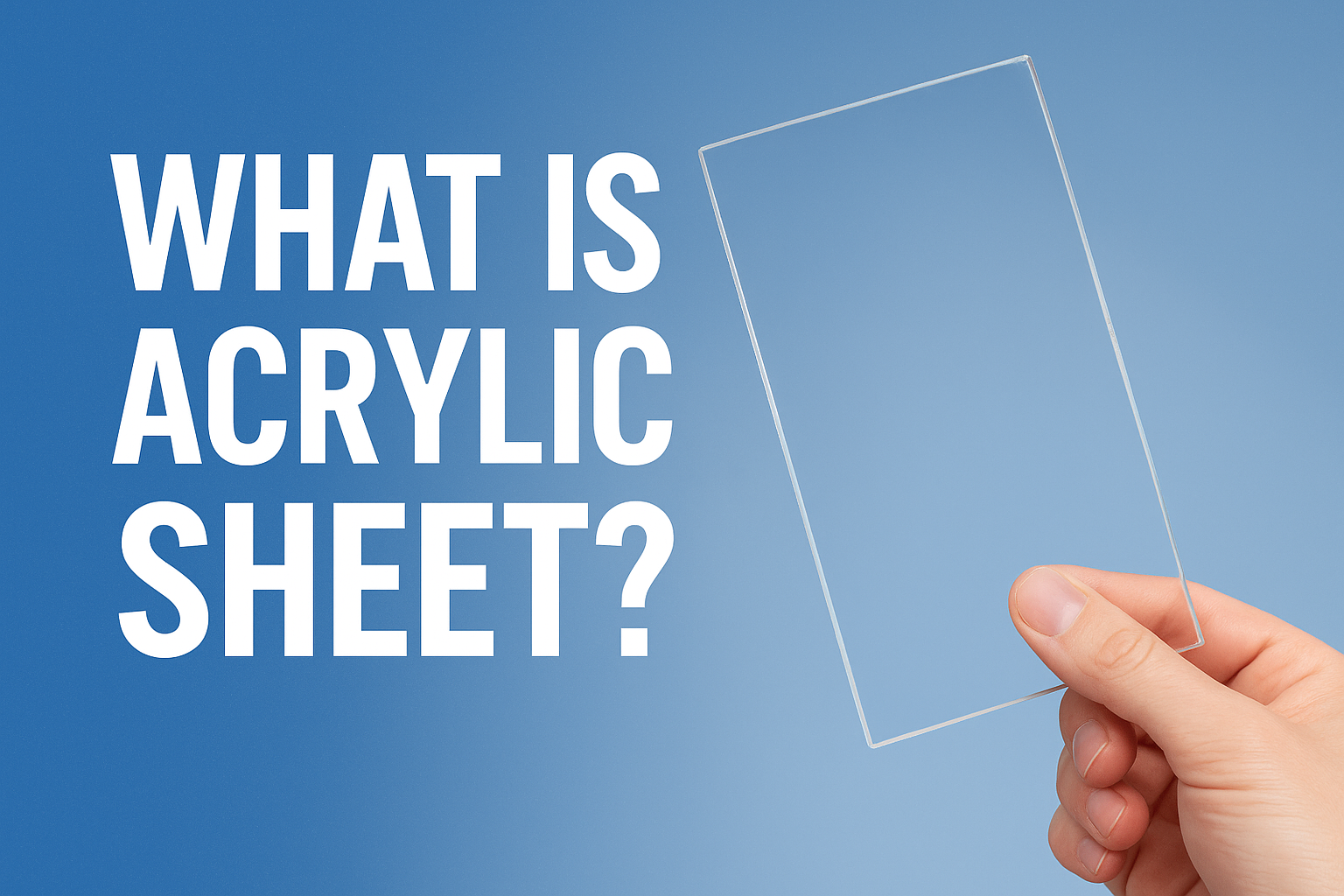
Acrylic sheet is one of the most versatile and widely used plastic materials in the world.
Known for its glass-like transparency, excellent strength, and ability to withstand weather, it is used in industries ranging from construction to design.
Made from 100% virgin MMA (methyl methacrylate monomer), acrylic sheets deliver outstanding clarity and consistency.
They are easy to cut, bend, drill, and shape, making them the preferred choice for countless applications.
In this blog, we will explore everything you need to know about acrylic sheets—what they are, their unique features, benefits, applications, and why they are an excellent alternative to glass.
What is an Acrylic Sheet?
An acrylic sheet is a plastic material derived from the chemical compound methyl methacrylate monomer (MMA).
When polymerized, it creates a solid sheet that is transparent, durable, and lightweight.
It is often used as a replacement for glass because of its clarity and shatter resistance.
Unlike glass, acrylic does not break easily and is less than half the weight, making it easier to handle and install.
Acrylic sheets have an impressive light transmission rate of about 92%, which is higher than most types of glass.
This means that they allow more natural light to pass through, making them ideal for lighting, windows, and display applications.
Key Properties of Acrylic Sheets
Acrylic sheets are manufactured under strict standards to deliver exceptional performance. Some of the most important properties include:
- Clarity and Transparency – 92% light transmission, maintaining glass-like clarity.
- Strength – High impact resistance compared to glass, minimizing breakage risks.
- Weather Resistance – Does not yellow or degrade under sunlight or rain.
- Thermoformable – Can be bent, molded, and shaped when heated.
- Workability – Easily cut, drilled, engraved, or polished.
- Safety – Certified under UL-94HB flammability standards.
- Lightweight – Less than half the weight of glass.
Because of these properties, acrylic sheets are used in environments where both safety and appearance are equally important.
Types of Acrylic Sheets
Acrylic sheets come in a variety of options to suit different needs.
1. Clear Acrylic Sheet
This is the most common type, offering maximum clarity.
It is widely used for windows, skylights, and protective barriers.
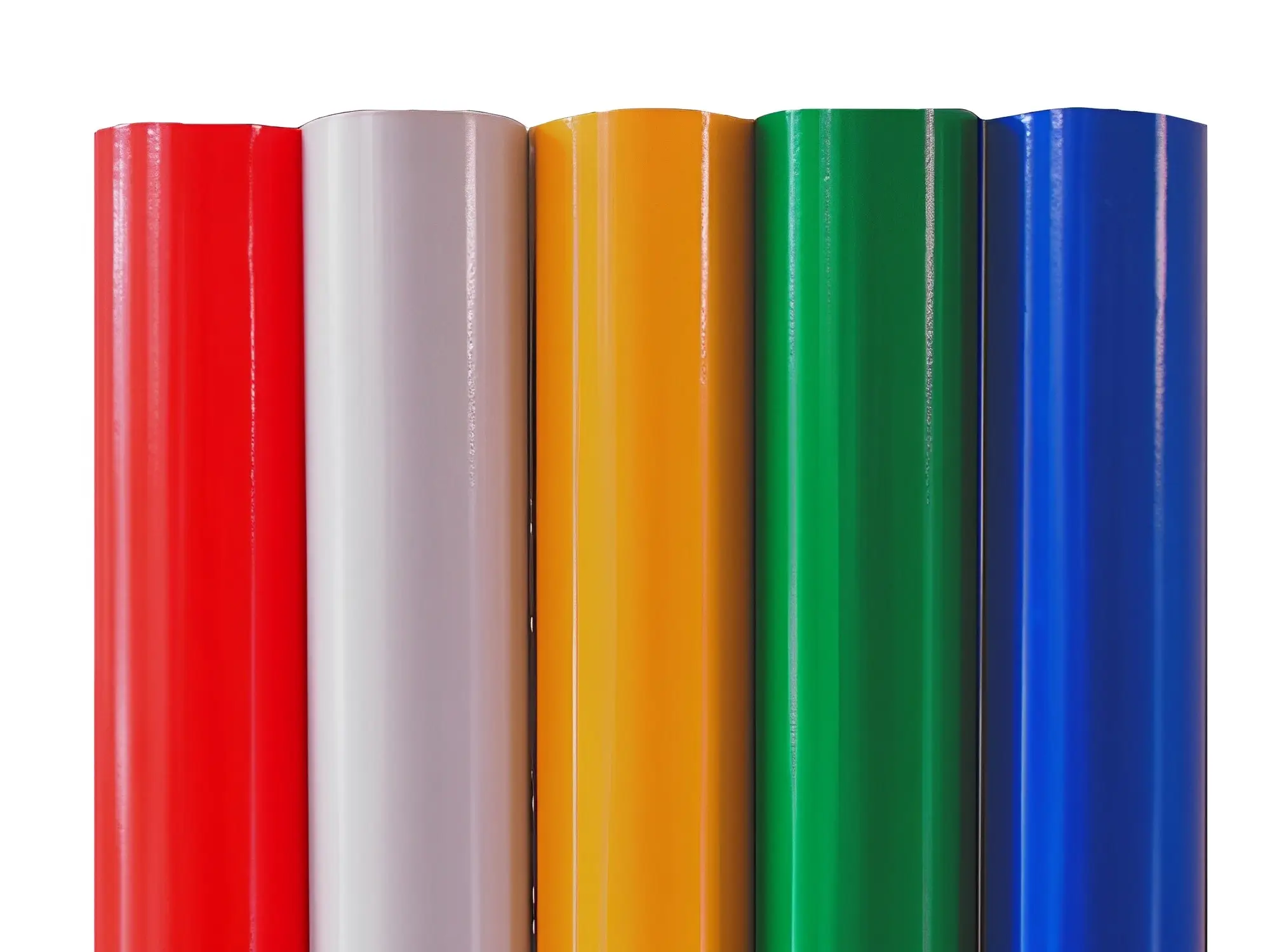
2. Colored Acrylic Sheet
Available in multiple shades, colored acrylic sheets are used in interior design, displays, and signage.
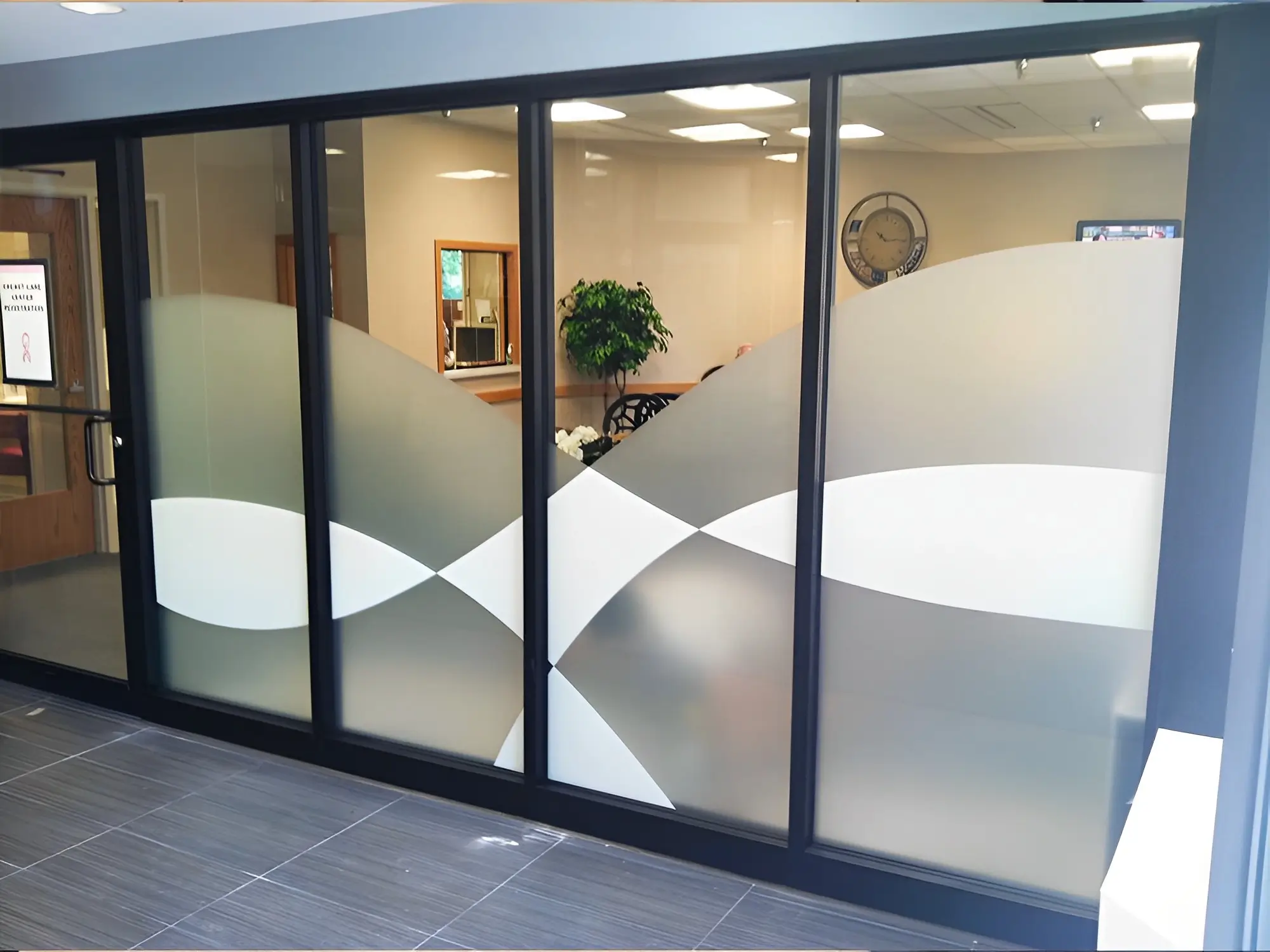
3. Frosted Acrylic Sheet
Provides a diffused light effect, commonly used in lighting fixtures and partitions.
4. Mirrored Acrylic Sheet
Acts like a traditional mirror but is lightweight and shatterproof.
5. Textured Acrylic Sheet
Has patterned surfaces, ideal for decorative panels and privacy screens.
6. UV Resistant Acrylic Sheet
Specially treated to resist sunlight damage, perfect for outdoor use.
Benefits of Acrylic Sheets
Acrylic sheets are preferred over other materials because of their multiple advantages.
- Durability – Resistant to breakage and impact.
- Design Flexibility – Can be cut, shaped, engraved, and thermoformed.
- Lightweight – Easier to transport and install than glass.
- Clarity – Offers better light transmission than most types of glass.
- Weatherproof – Suitable for both indoor and outdoor applications.
- Cost-Effective – Provides long-term performance with minimal maintenance.
- Safety – Safer than glass in high-traffic or public areas.
Applications of Acrylic Sheets
Acrylic sheets are used across industries because of their versatility.
Construction and Architecture
- Windows, skylights, and doors
- Balcony railings and partitions
- Roofing panels
Signage and Displays
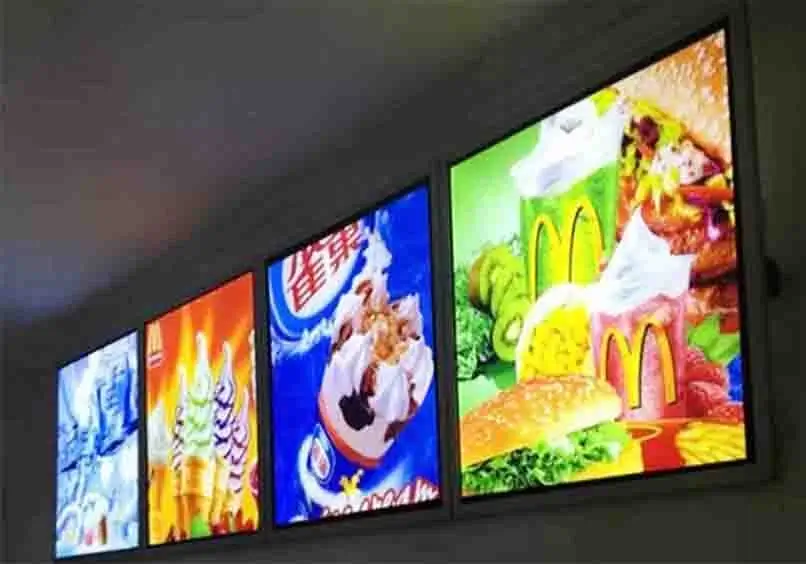
- Shop signs and advertising boards
- Exhibition stands and display cases
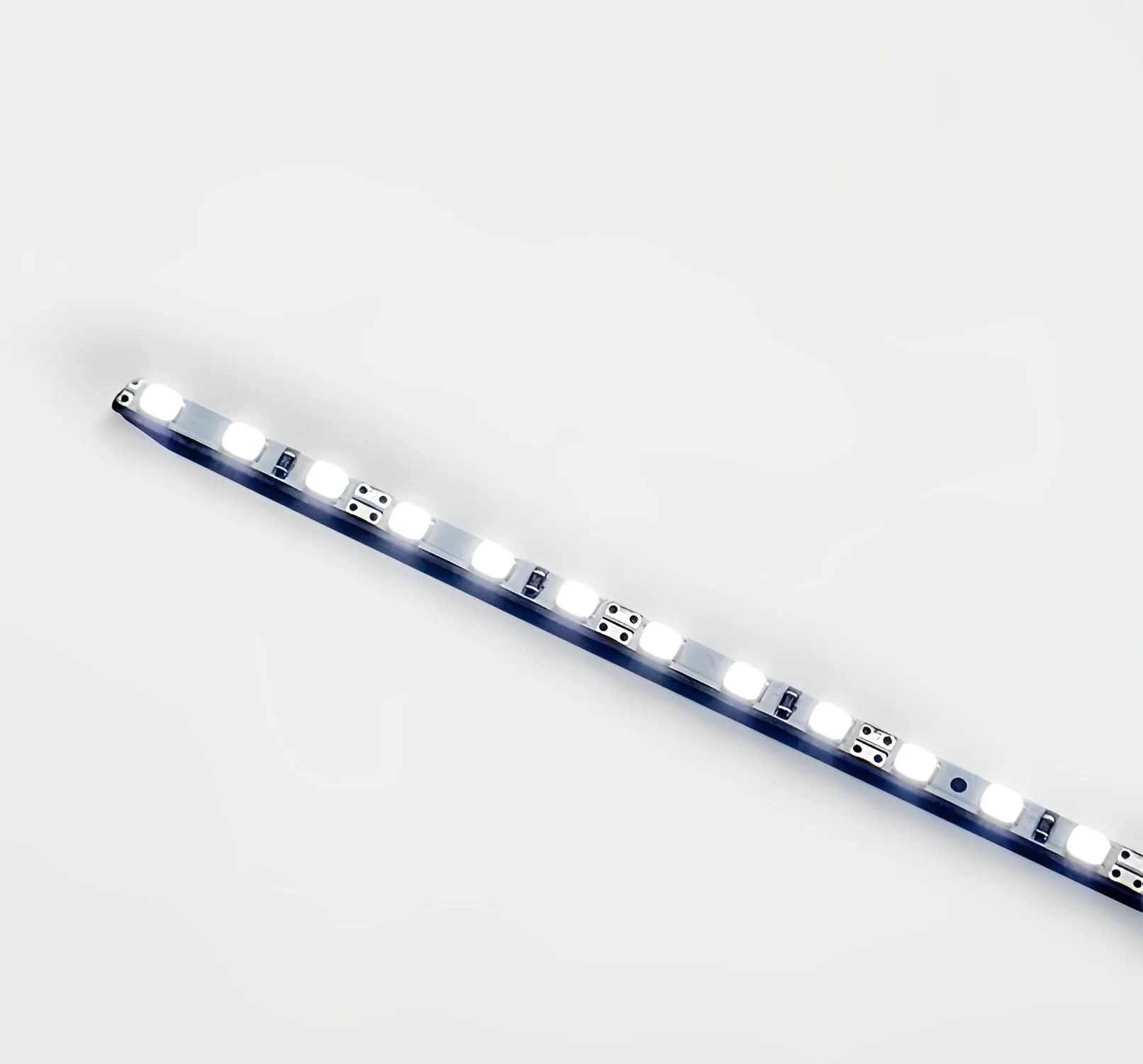
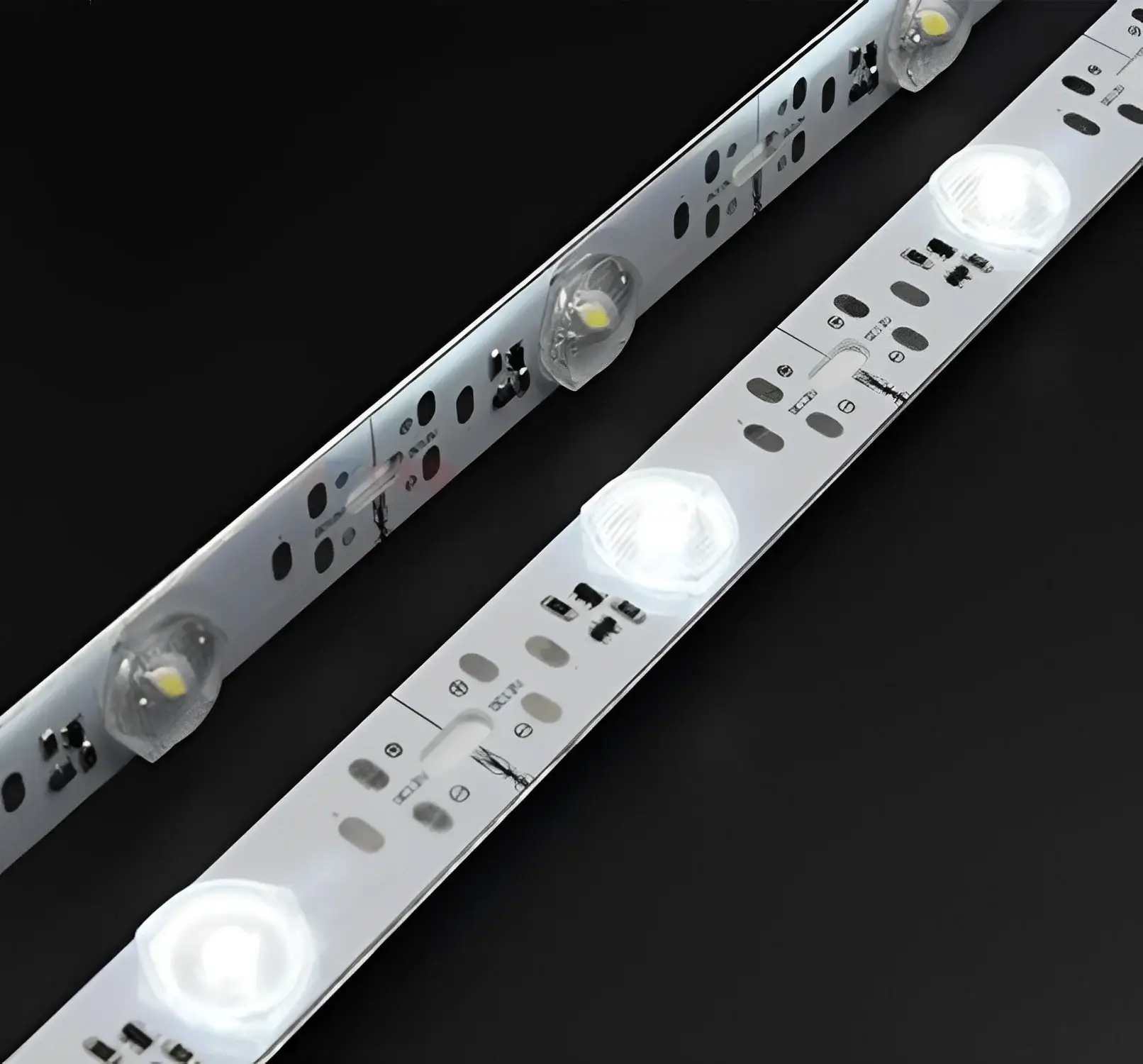
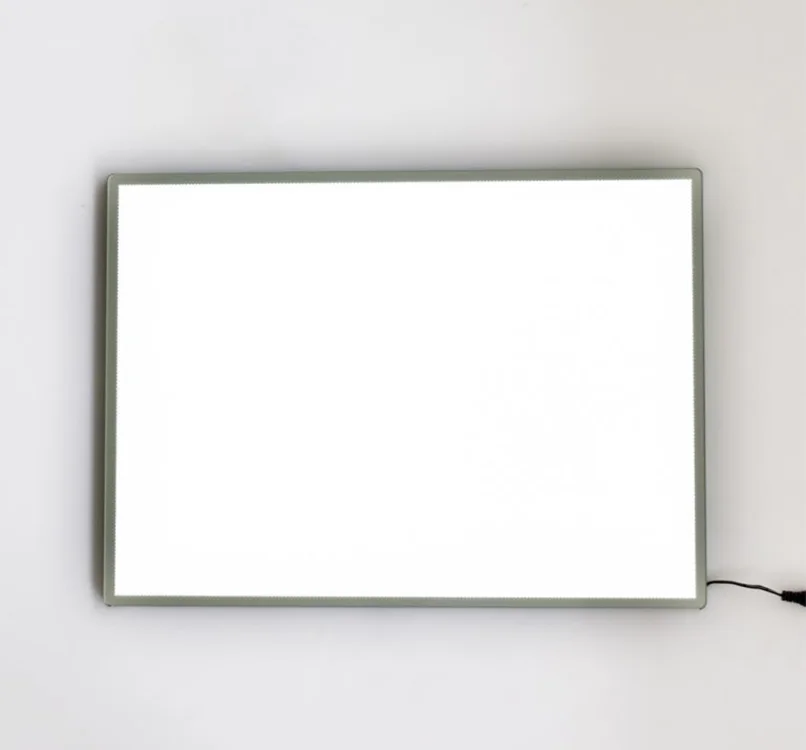
- LED signboards
Interior Design
- Decorative panels and furniture
- Wall partitions
- Lighting fixtures
Automotive and Transport
- Vehicle windows
- Instrument panels
- Sunroofs
Medical and Industrial Use
- Protective shields and barriers
- Machine guards
- Laboratory equipment
Everyday Products
- Aquariums
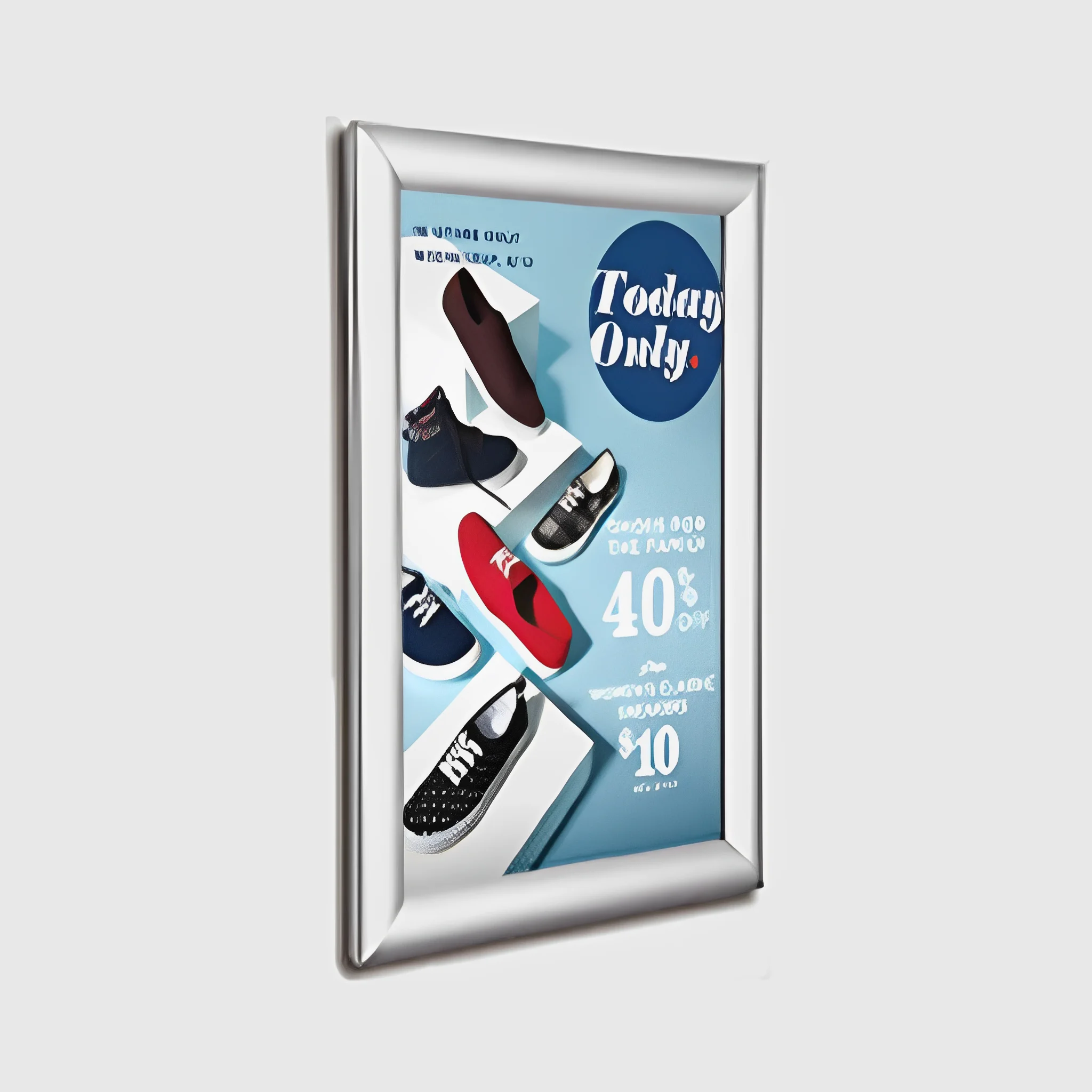
- Picture frames
- Household items
Acrylic vs Glass: Which is Better?
While both materials are transparent and widely used, acrylic has several advantages over glass.
- Weight – Acrylic is half the weight of glass.
- Strength – Acrylic is more impact-resistant.
- Safety – Acrylic does not shatter like glass.
- Clarity – Acrylic allows more light transmission.
- Workability – Easier to cut and shape.
Glass, however, is more scratch-resistant and may be preferred in some cases.
Still, for most applications, acrylic sheets are the better option.
Maintenance and Care of Acrylic Sheets
Maintaining acrylic sheets is simple and ensures a longer life span.
- Clean with a soft cloth and mild soap solution.
- Avoid ammonia-based cleaners, as they may cause damage.
- Do not use abrasive scrubbers.
- Store sheets in a cool, dry place.
- Handle with care to avoid scratches.
With proper maintenance, acrylic sheets can last many years without losing clarity.
Why Choose Acrylic Sheets?
Acrylic sheets are the perfect balance of strength, clarity, and flexibility.
Their ability to perform in diverse conditions while maintaining aesthetics makes them a top choice in industries.
Whether you need a transparent window, a strong protective shield, or a stylish decorative element, acrylic sheets deliver consistent performance.
Conclusion
Acrylic sheets combine the best qualities of durability, clarity, and versatility.
They are stronger, safer, and lighter than glass, making them ideal for a wide range of applications.
With their ability to be shaped, colored, and customized, acrylic sheets are not just a material but a solution for modern design, construction, and innovation.
If you are looking for a cost-effective, reliable, and visually appealing material, acrylic sheets remain one of the best options available.